A Maintainer's Orphanage and an Insider's Apocalypse: Two AI Fights Worth Your Rage Today

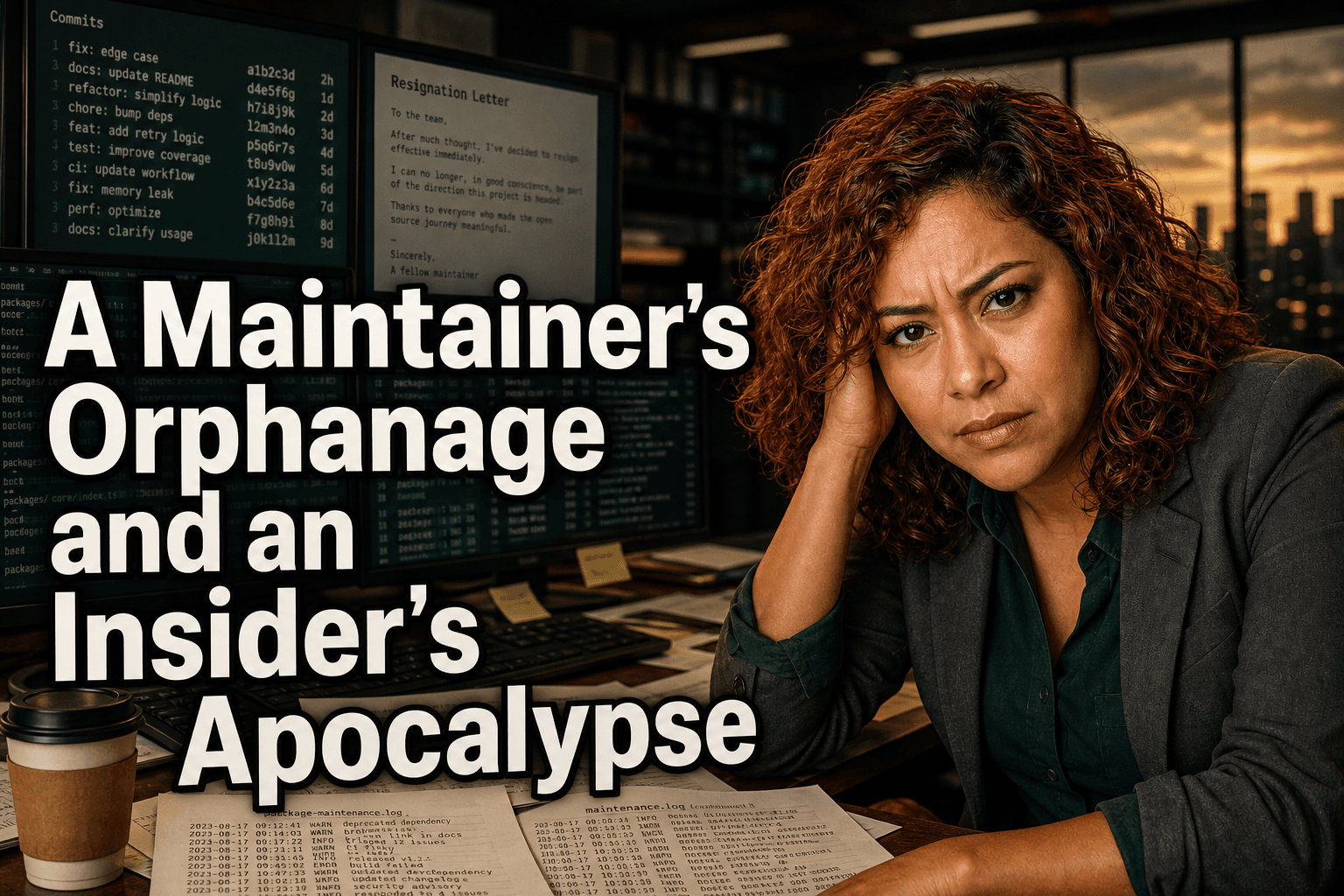
The Void Linux Orphanage: When AI Policy Is the Last Straw
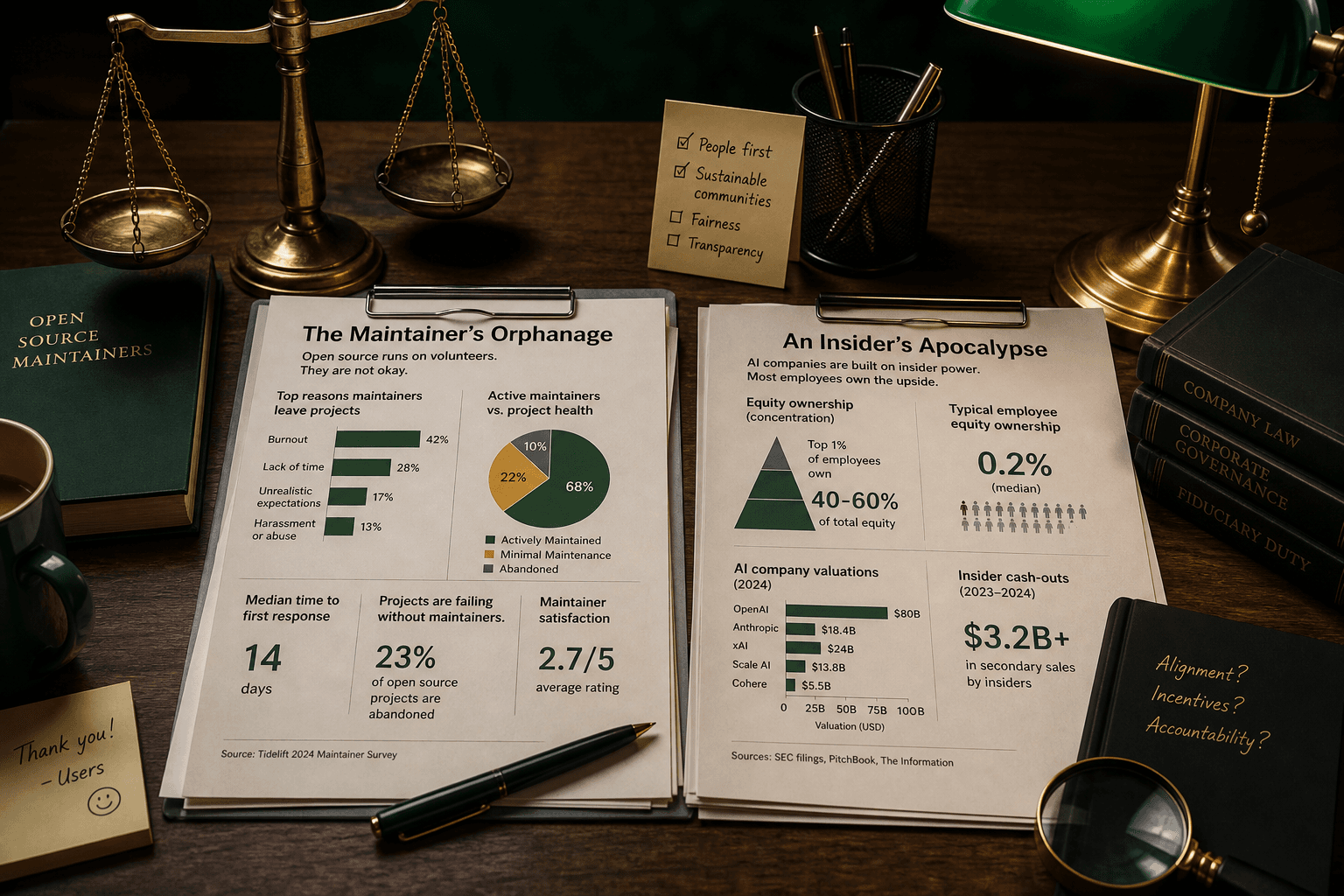
A Void Linux maintainer just orphaned 100 packages because their distro — a project built on trust, not venture capital — refused to draw a hard line against AI-generated code. Let that sink in: 100 packages, a decade of volunteer work, dumped in protest. The camps? One side says AI patches are just patches, who cares if a bot wrote them, we're all drowning in to-do lists. The other side screams that if you let slop into the git history, you're not maintaining software, you're curating a landfill. Who loses? The users. And every maintainer who now has to adopt 100 orphaned packages or watch them rot. But the real question is: if the people writing the code can't agree on what they're building, what chance does the code have?
The Doomsday Resignation: Dario's Three Steps, and Everyone's Suddenly a Safety Cultist
Anthropic researcher Jacob Coxon quit with a warning that made the entire industry flinch: AI giants are "gambling with our lives," and developers "earnestly believe it could kill us all by the end of the decade." Then CEO Dario Amodei swooped in with a three-step safety plan. Now Musk and Altman are publicly nodding along. Oh, now they're all friends? The debate is breaking along familiar lines: safety hawks say Coxon is a hero who proved the people inside are terrified and the suits are just managing the timeline. The accelerator crowd calls his resignation performance art — if you're that scared, cite the evidence, don't just storm out. And everyone else is stuck asking why it takes a resignation letter for a CEO to pretend safety is a priority. Three steps to save the world, and each one conveniently starts with "trust us."
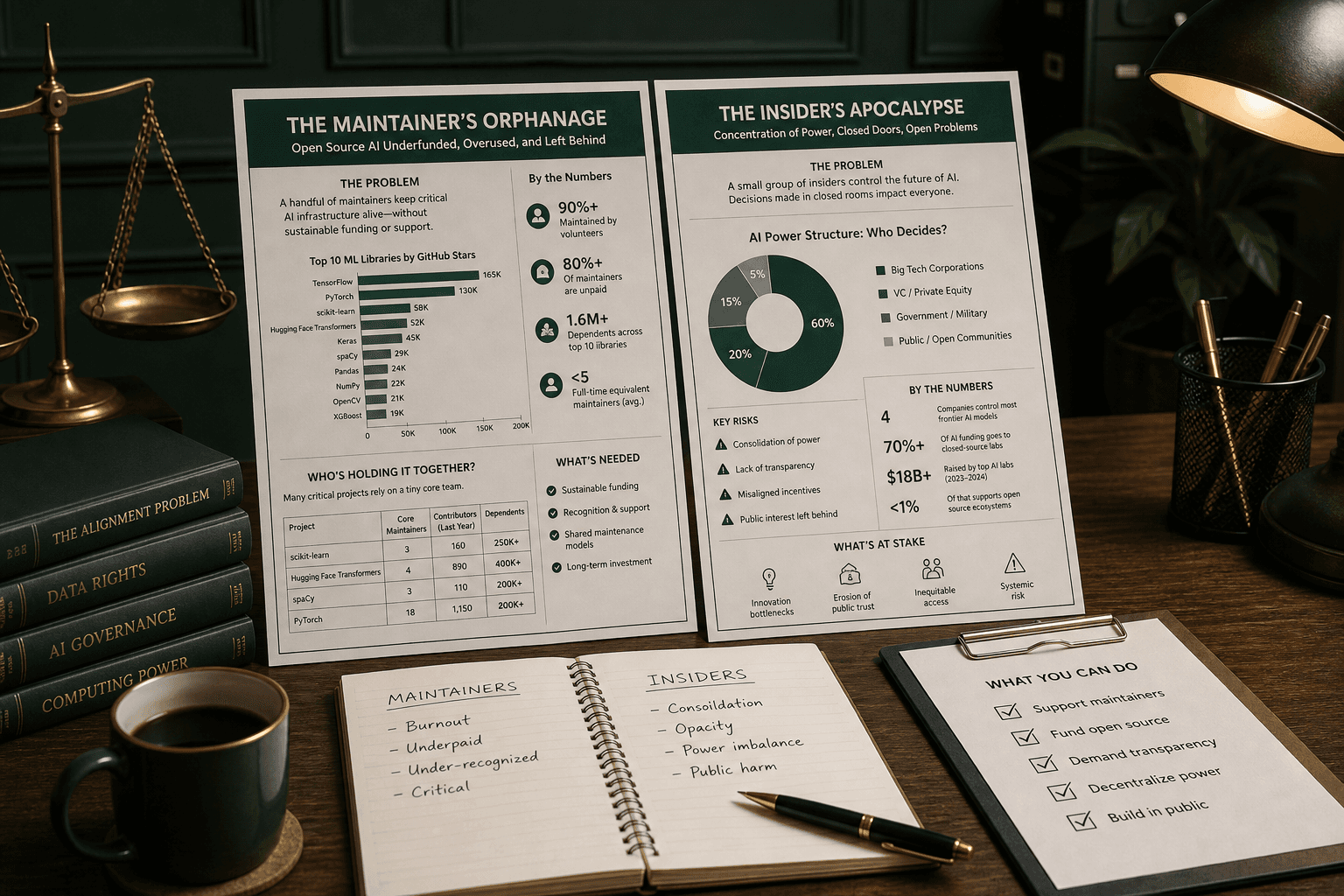
The stakes here aren't theoretical. One dispute is about who gets to define what open source means in the age of machines. The other is about who gets to define what survival means in the age of AGI. Two fights, one through-line: the people actually building the future are starting to run out of excuses — and patience.