AI’s New Mood: Smaller Machines, Bigger Bills, and Sovereignty With Teeth


The Tiny Supercomputer Arrives, and the Price Panic Tags Along
Here comes the shiny hardware parade: Nvidia has started shipping DGX Spark, billed in the supplied live results as the “world’s smallest AI supercomputer,” while Broadcom launched Thor Ultra, described as the first 800G AI Ethernet Network Interface Card. Cute, right? A pocket-sized arms race with enterprise invoices.
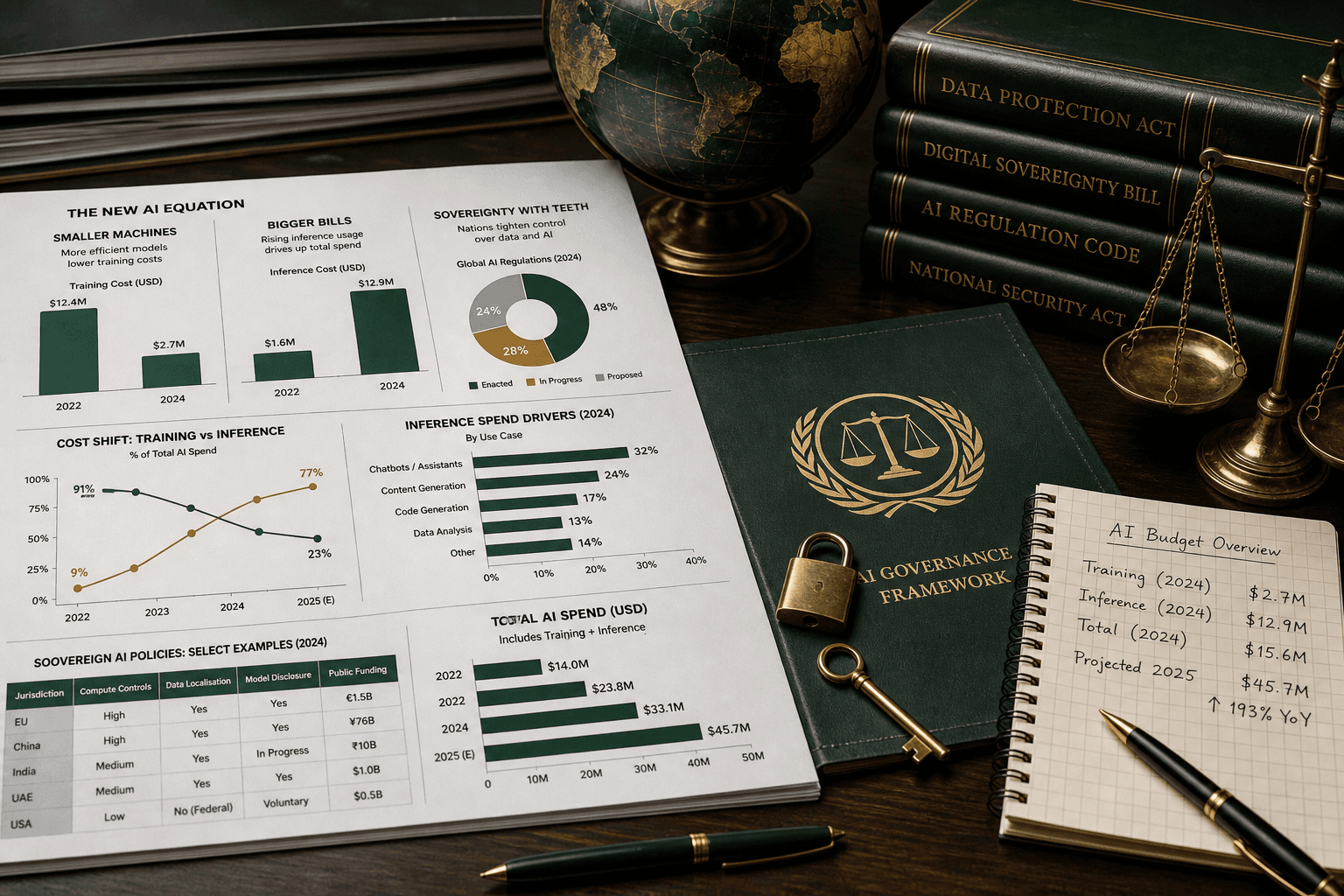
The optimists see a new chapter: more compact AI muscle, faster networking, fewer excuses. The skeptics are staring at the other line in today’s feed — concern that AI compute costs could jump 10-15x — and asking the rude question nobody wants at the launch party: who’s paying for all this horsepower?
Then Manifest walks in with a bucket of cold water, deprecating its LLM router after finding cache reads are 75-90% cheaper than auto-routing. Translation: the glamorous “send every prompt to the perfect model” dream just got body-checked by the accountant. Winners? Teams that make boring infrastructure decisions before the bill catches fire. Losers? Anyone selling complexity as elegance.
Sovereignty Stops Being a Checkbox
The Register reports that Forrester says tech buyers are baking in sovereignty from day one. That’s not a footnote; that’s a shift in the buying script.
One camp says this is overdue: if AI systems are becoming core infrastructure, then data location, control, and jurisdiction can’t be bolted on after procurement signs the champagne paperwork. The other camp hears “sovereignty” and sees friction, cost, and regional fragmentation dressed up as prudence.