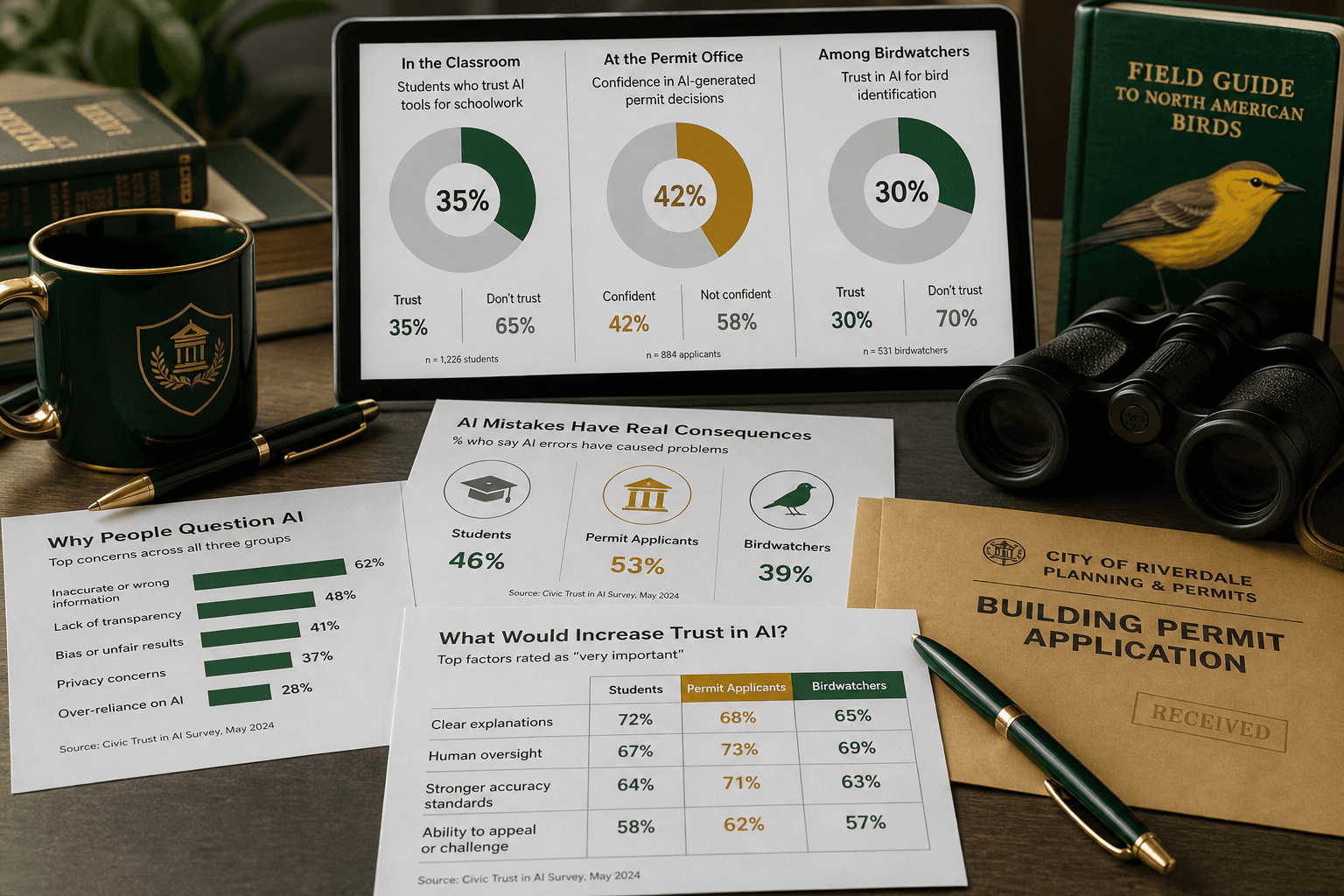
AI’s Trust Crisis Hits the Classroom, the Permit Office, and the Birdwatchers

The Detector Panic: When Every Essay Becomes a Crime Scene
The Verge’s headline lands like a gavel: AI writing detectors are creating a new era of distrust. And honestly? That’s the fight. One camp wants tools to sniff out machine-written work, because the alternative feels like surrender. The other camp sees a suspicion factory, where every polished paragraph gets hauled into interrogation.
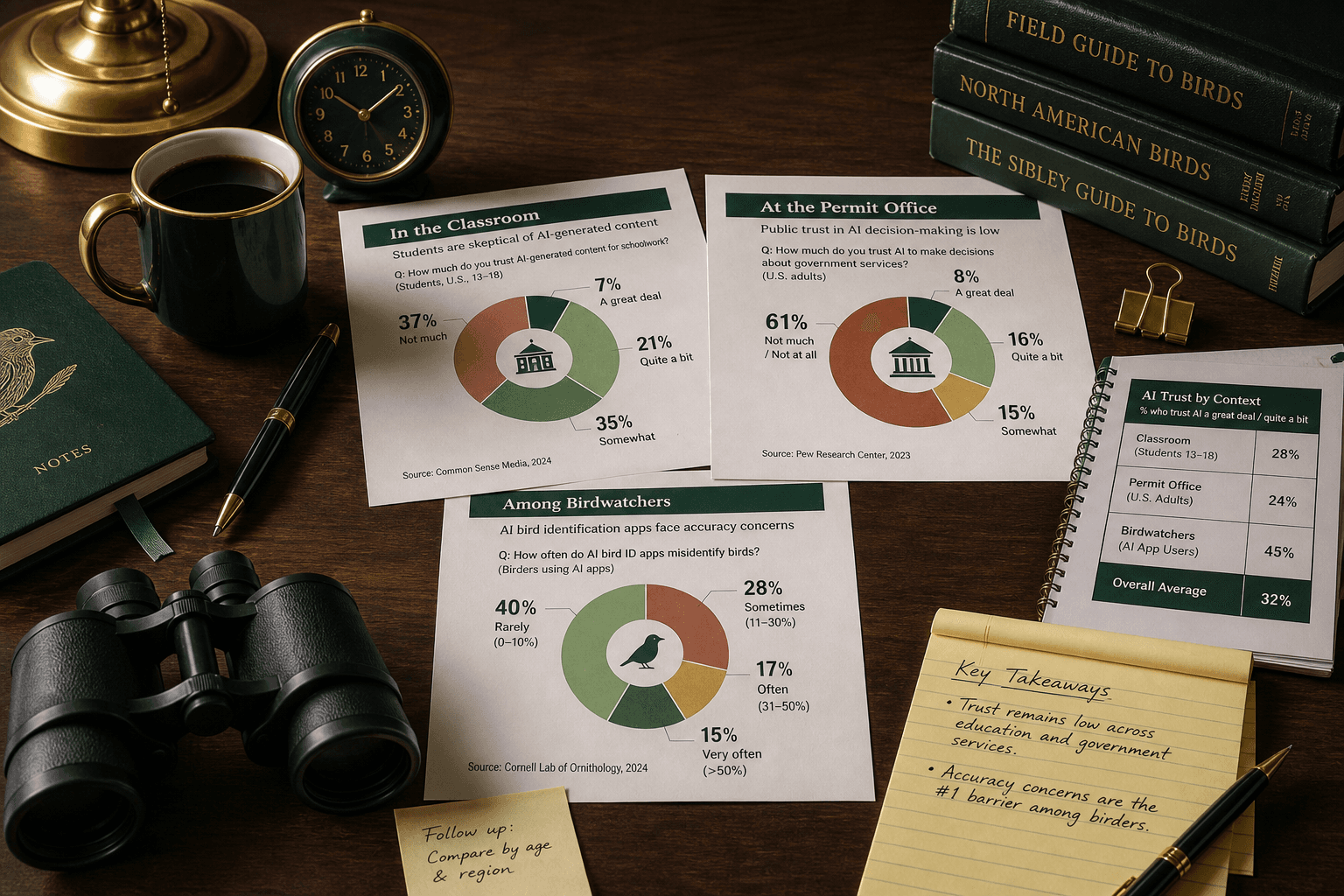
That’s the brutal tension: if detection becomes the default, trust doesn’t get restored — it gets outsourced to software. Students, writers, workers, anyone who types too cleanly can become suspect. The “protect integrity” crowd wants a shield. The “this is getting creepy” crowd sees a dragnet. And in the middle? Humans trying to prove they’re human by arguing with a detector. Very normal. Totally healthy. No dystopian confetti here.
Amazon in Gilroy: The AI Boom Meets the Back Door
Tom’s Hardware reports that Amazon circumvented a Gilroy community vote for a massive AI data center, with 45-year-old rules locking residents out of a public comment window. That sentence alone is enough to light up a town hall.
The pro-build side will say this is how infrastructure gets done: move fast, follow the rules on the books, don’t let every project drown in process. The local-control side hears something very different: AI’s physical footprint is arriving, and the people living next to it may not get a meaningful say.