[Rumor] Apple’s China AI Flub, Banking Prompt Chaos, and the Meeting Notes Privacy Bonfire


Unconfirmed report — treat as rumor.
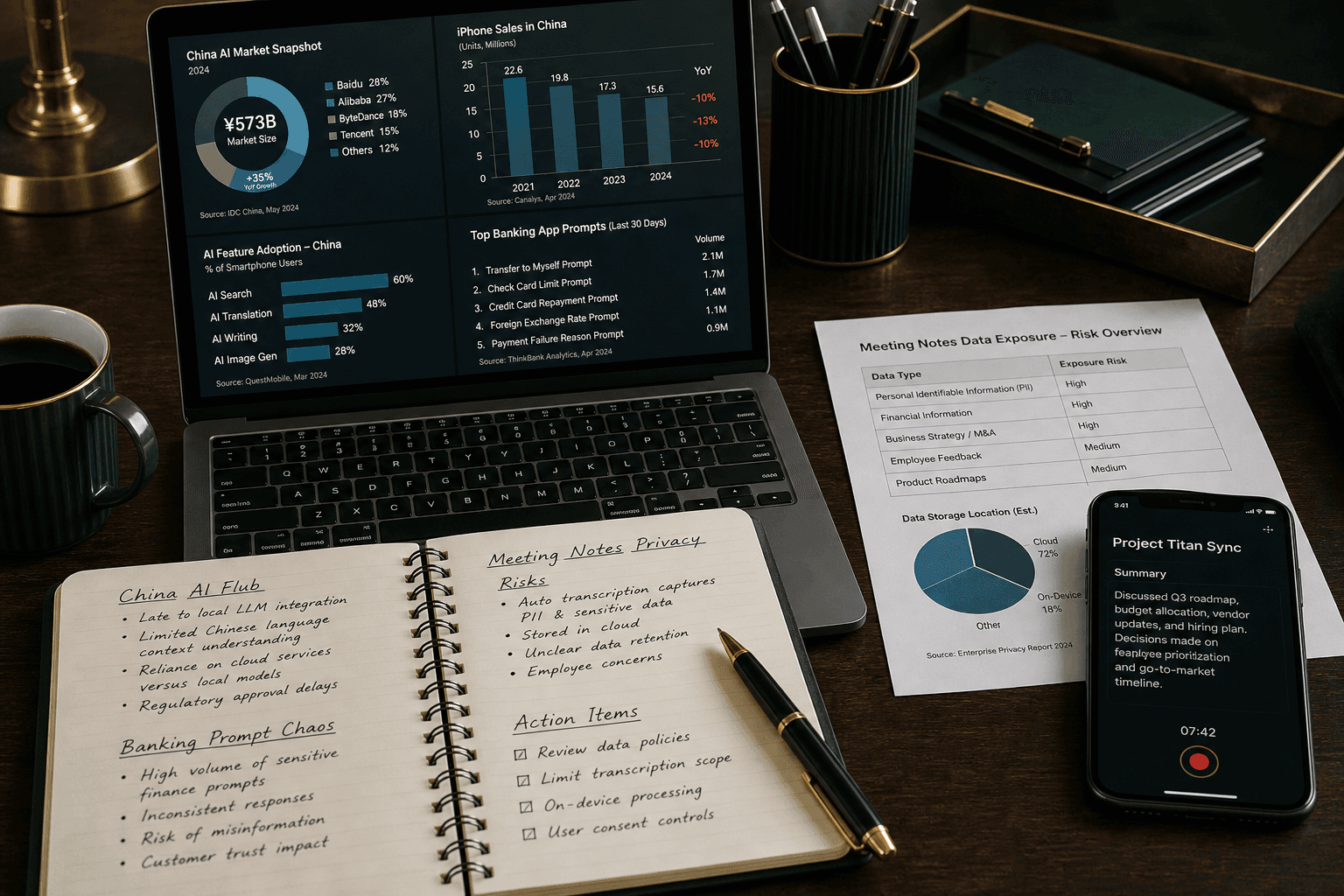
Apple’s Qwen Breadcrumb: Siri Walks Into the China Minefield
Apple briefly posting a China guide for connecting Siri to Qwen AI is exactly the kind of tiny document slip that detonates a full-day discourse bomb.
One camp sees the obvious: Apple needs an AI path in China, and Qwen is a very loud name in that conversation. The other camp is already clutching the pearls and the iPhones: if Siri gets tied to a local AI partner, what does that mean for control, data, and Apple’s carefully polished privacy halo?
That’s the fight. Not whether a guide briefly appeared — the material says it did — but what people think it signals. Is this Apple being practical in a market with different rules, or Apple letting the “privacy-first” brand get dragged into geopolitical quicksand? Either way, Cupertino hates messy narratives, and this one arrived wearing muddy boots.
The Payment Reference From Hell
A banking AI XSS exploit sitting in the payment reference sounds like satire written by a security engineer after three coffees and one nervous breakdown. But there it is: “the exploit is in the payment reference.”
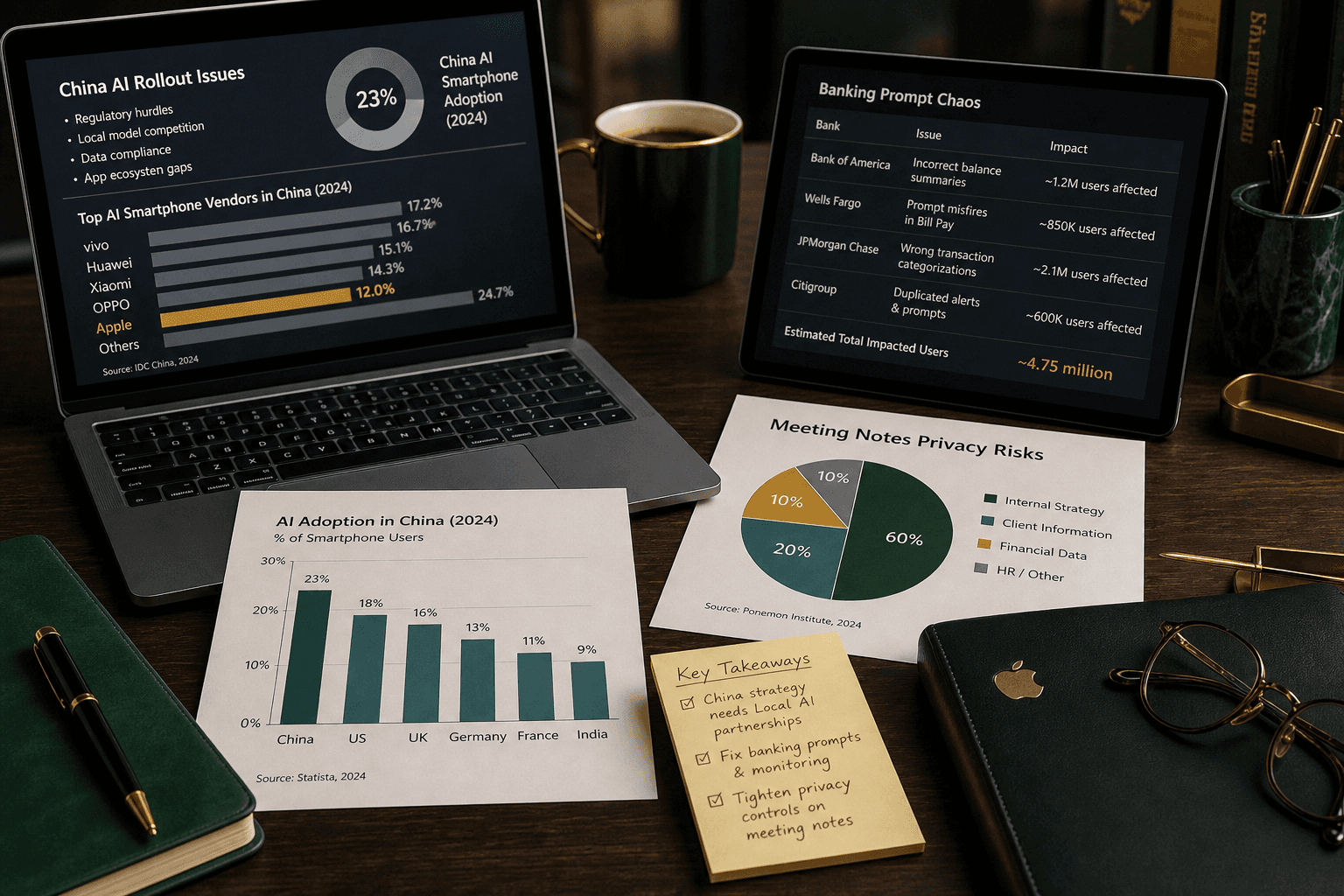
The debate practically writes itself. AI boosters want banks to get smarter, faster, more automated. Security folks are waving both arms and yelling, “Maybe don’t let hostile text ride through financial workflows like it bought a first-class ticket?”
The losing side here is the fantasy that AI can be bolted onto sensitive systems without every weird input becoming a potential stage trap. The payment reference is supposed to be boring. That’s the whole job. If boring fields become attack surfaces, then every bank experimenting with AI has to answer a brutal question: are you innovating, or are you just teaching old systems new ways to embarrass you?

181,000 Meeting Recordings: The Privacy Hangover Arrives
Over 181,000 AI meeting recordings reportedly being left wide open in a note-taking app is the kind of headline that makes every “this call may be recorded” disclaimer feel like a tiny paper umbrella in a hurricane.
AI note-takers were sold as convenience: no missed action items, no frantic typing, no “who said what?” drama. Lovely. But the backlash camp now has a giant exhibit for the courtroom wall: meetings aren’t just content, they’re salaries, layoffs, product plans, medical details, legal strategy, and every awkward sentence someone thought would vanish into corporate fog.
The argument now isn’t whether AI notes are useful. They are. The argument is whether the convenience tax is being paid in exposure, and whether users even understand what they’re handing over. Spoiler: the vibes are not reassuring.
