Bombs, Balance Sheets, and Bedlam: AI's Two Hottest Messes

The Terrorist Prompt Problem No One Wants to Solve
ISIL using Big Tech's AI to build bombs—that's the headline that should make every AI cheerleader swallow their 'it's just a tool' talking point. Al Jazeera's report lands like a brick through the window of the industry's carefully sanitized story. The public debate isn't about whether Grok or GPT-4 can describe a pressure cooker—it's whether companies are doing anything meaningful to prevent their own models from becoming IED instruction manuals. Cue the predictable panic: one camp screams for more guardrails, the other whispers 'good luck with that' and points to open-source models that don't even have a customer support email. The real fight? Accountability. If your API key ends up in a terrorist handbook, whose neck is on the line? Hint: it's not the model's. This story outranks the usual nerd drama because Saturday's news cycle is still sizzling with it—and nobody has a clean answer.
The $300B Shadow on Your Portfolio
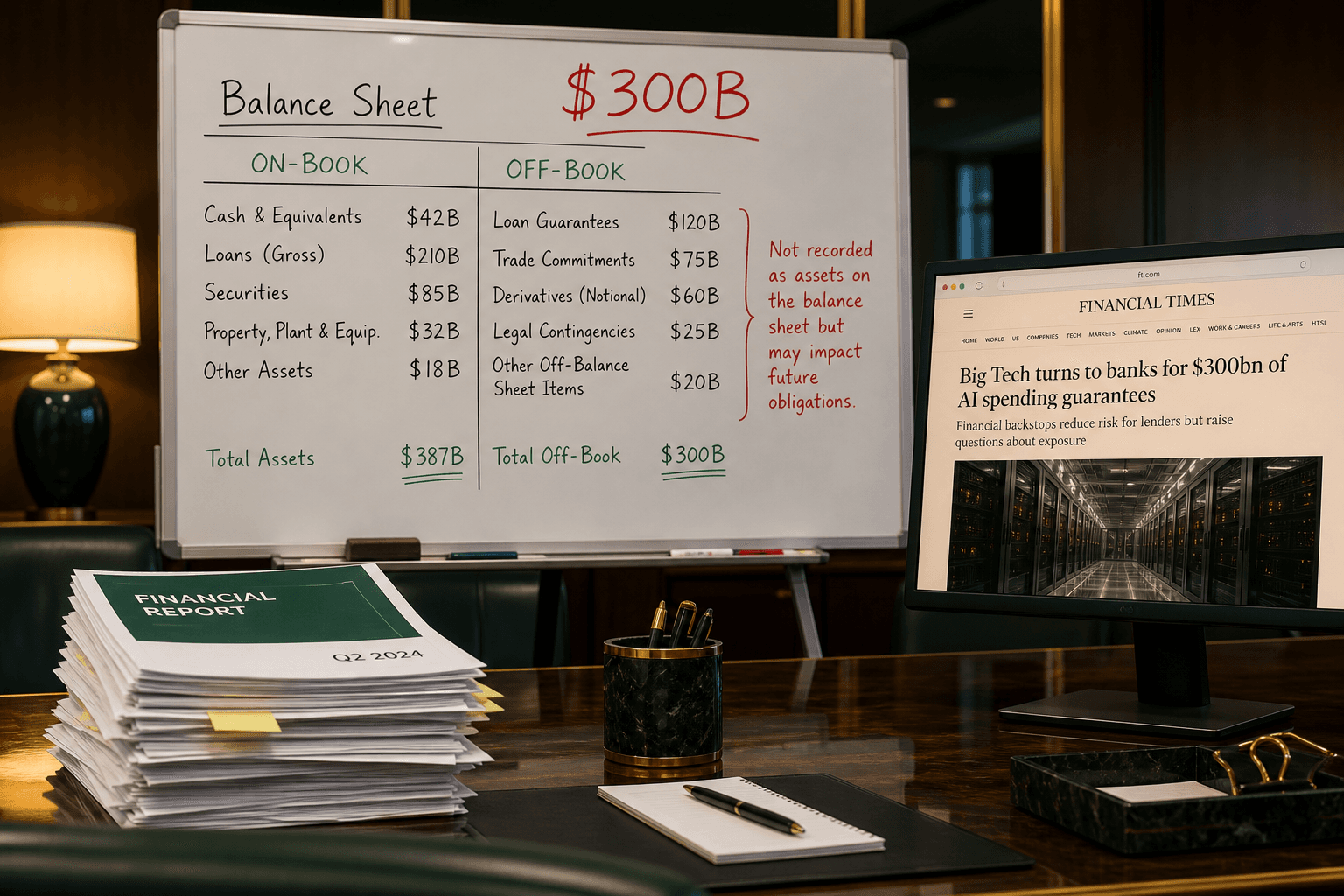
The Financial Times just pulled back the curtain on Big Tech's favorite magic trick: using guarantees to keep a cool $300 billion in AI exposure off the balance sheet. Translation: these companies are building the nuclear reactors of compute without letting investors see the meltdown risk until it's too late. The debate on X is split between 'This is just smart finance, stop clutching pearls' and 'You are literally running a second Enron inside your 10-K.' The losers? Shareholders who get the smoke when the guarantees get called. The winners? The lawyers who'll be billing for years. This isn't a boring accounting footnote—it's the hidden leverage that makes every 'AI capex is an investment, not a bet' claim sound like a desperate poker player's tell. Watch the regulators start circling; that's where the actual fireworks will be.
So there we have it: one story about AI making bombs, one about AI making liabilities disappear. And people wonder why the rest of us are nervous.