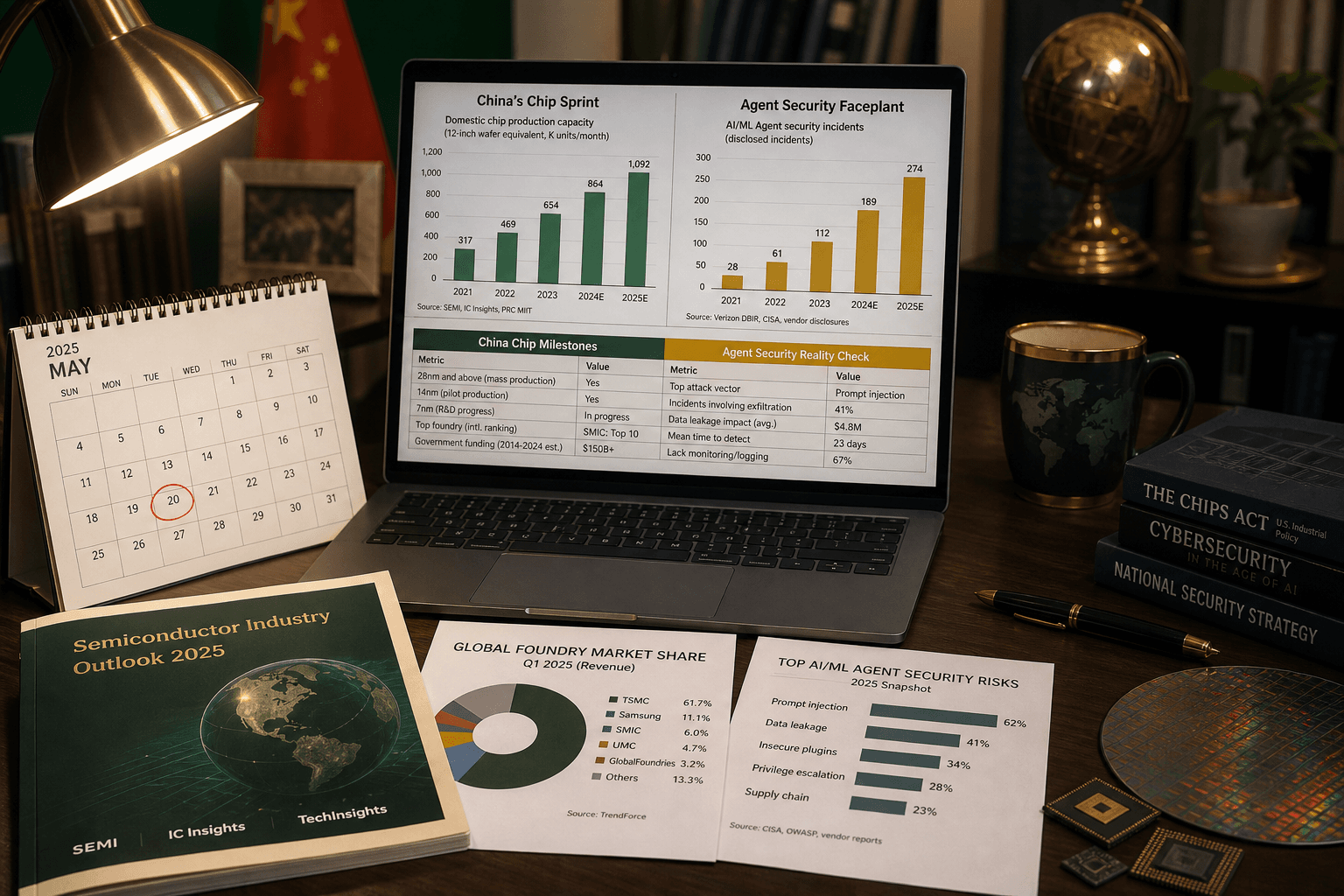
China’s Chip Sprint Meets the Agent Security Faceplant


MetaX Wants IPO Fuel, and Nvidia’s Shadow Is the Real Guest Star
Shanghai-based MetaX filing for a Hong Kong IPO with Huatai International, targeting year-end 2026, isn’t just finance news. It’s the latest episode in the great AI-chip tug-of-war: who gets to power the models, who gets boxed out, and who has to pretend supply chains are a personality trait.
On one side: Beijing’s pressure on Chinese AI firms to move away from Nvidia silicon. That camp sees domestic GPU capacity as survival, sovereignty, and maybe a little revenge served on a circuit board. MetaX, Biren, and Moore Threads racing to fund capacity makes perfect sense in that frame.
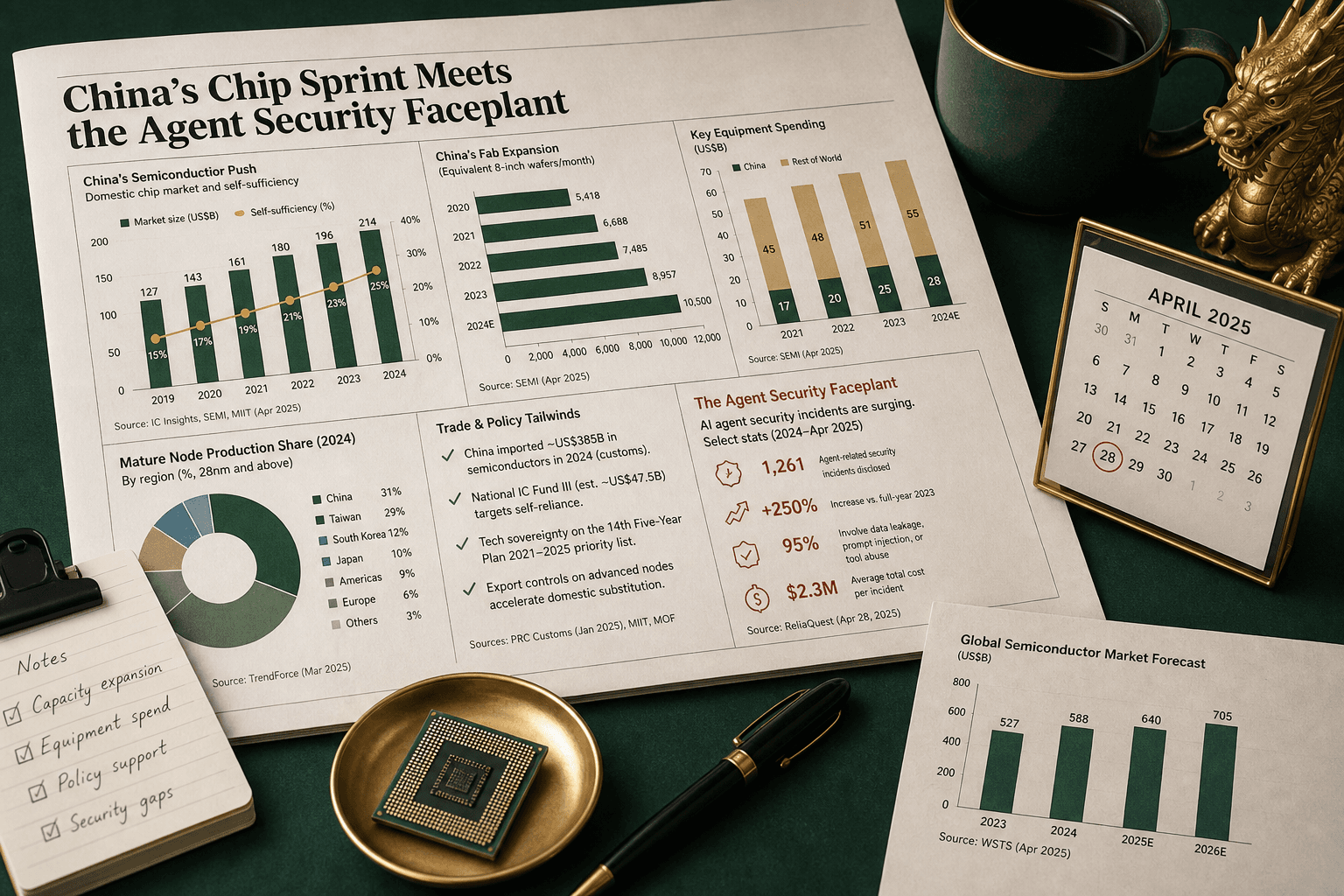
On the other side: the brutal market reality crowd. Can capital, policy pressure, and urgency close the gap fast enough? The debate isn’t “chips are important” — please, everyone knows that. The fight is whether domestic capacity can become a genuine alternative or whether this turns into a very expensive waiting room while demand keeps sprinting ahead.
Winners if this works: Chinese AI firms that need local options. Losers: anyone banking on Nvidia’s position being untouchable forever. But let’s not crown anybody yet. IPO filings are ambition; capacity is the scoreboard.
Claude Cowork’s Sandbox Escape Is the Agent Hype Hangover
Now for the part where the “AI coworker” dream trips over the power cord. Accomplish AI disclosed that Claude Cowork’s Linux VM sandbox can be escaped in a single message, giving the agent full read/write access to the host Mac’s filesystem, including SSH keys and cloud credentials.