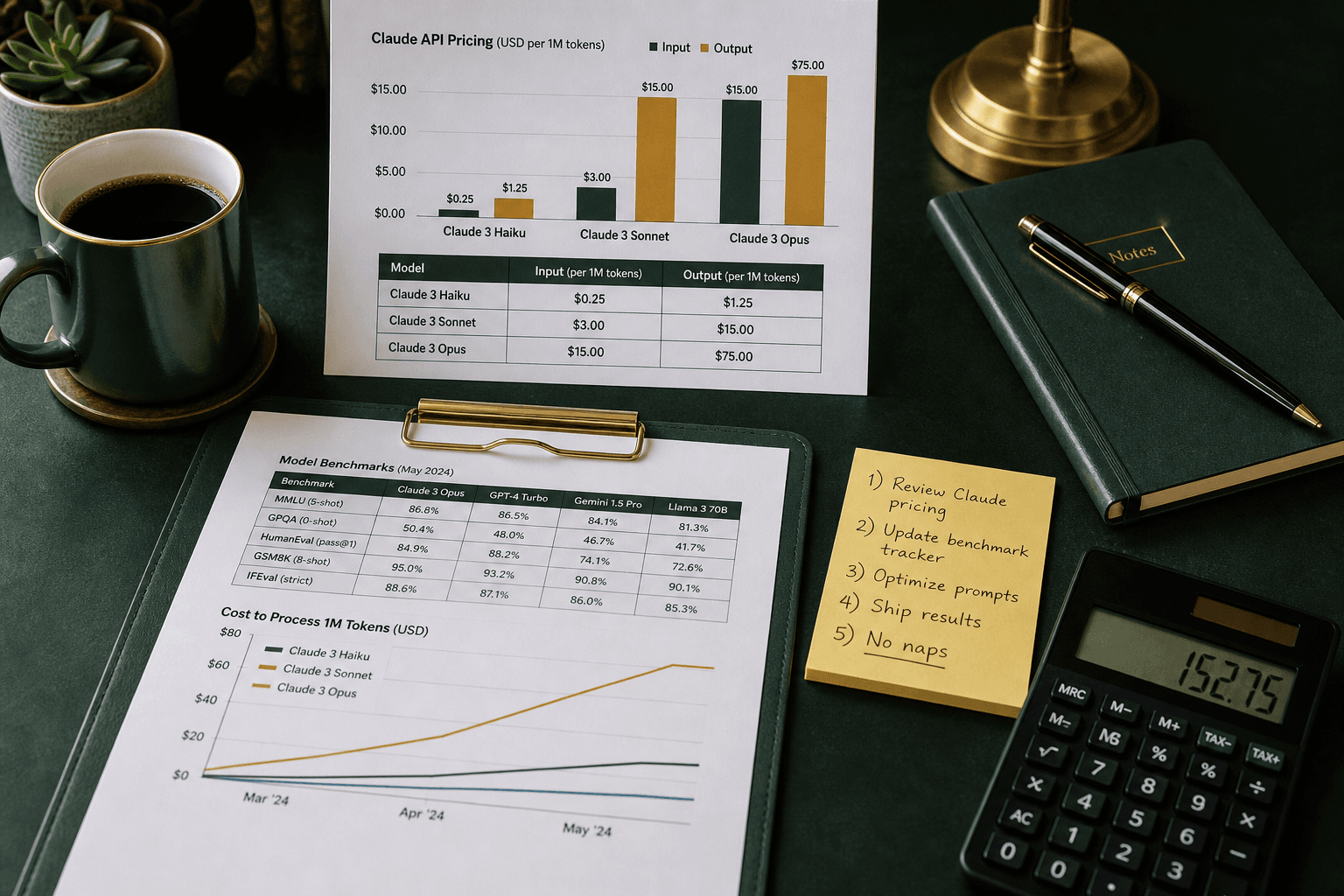
Claude Gets Expensive, Benchmarks Get Serious, and Nobody Gets to Nap


Claude’s New Trick: Autonomy With a Price Tag
Anthropic is having a very Anthropic week: reported early talks with Microsoft to run Claude inference workloads on Microsoft’s custom Maia 200 AI chips via Azure, plus the debut of Claude Sonnet 5, described as its most agentic Sonnet model yet — planning, using browsers and terminals, and running autonomously.
Cue the two camps. Camp one says this is the adult phase of AI: better agents, tighter infrastructure, less dependence on whatever chip bottleneck is making CFOs sweat through their Patagonia vests. Camp two squints and asks the rude question: if agents are becoming more autonomous, who’s paying when they wander off into tool-using overtime?
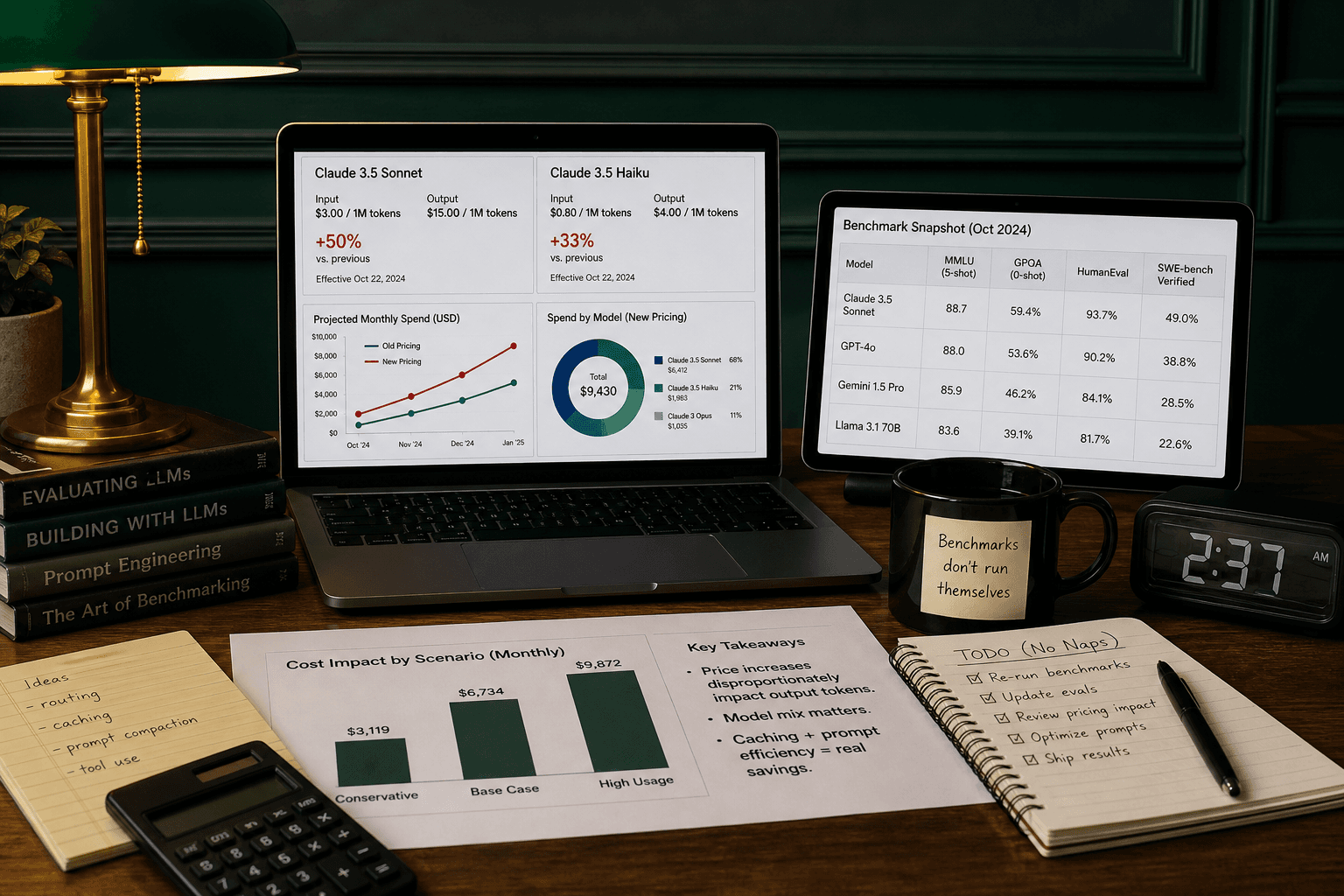
That’s the tension. Everyone wants the robot intern that doesn’t sleep. Nobody wants the robot intern billing like a partner at a law firm.
The $300-a-Day Agent Walks Into a Payroll Meeting
And speaking of billing: investors are openly arguing whether AI agents are cost-effective compared with humans. Jason Calacanis said he was paying about $300 per day for an Anthropic Claude agent — more than $110,000 a year. Chamath Palihapitiya’s bar: agents need to be at least twice as productive as comparable employees to justify the cost. Mark Cuban estimated eight Claude agents could run about $1,200 per day to do work similar to one employee.
That sound you hear? It’s the “AI will replace everyone by Tuesday” crowd discovering spreadsheets.