Climbers Rescued After ChatGPT Route Plan on Mt. Shasta

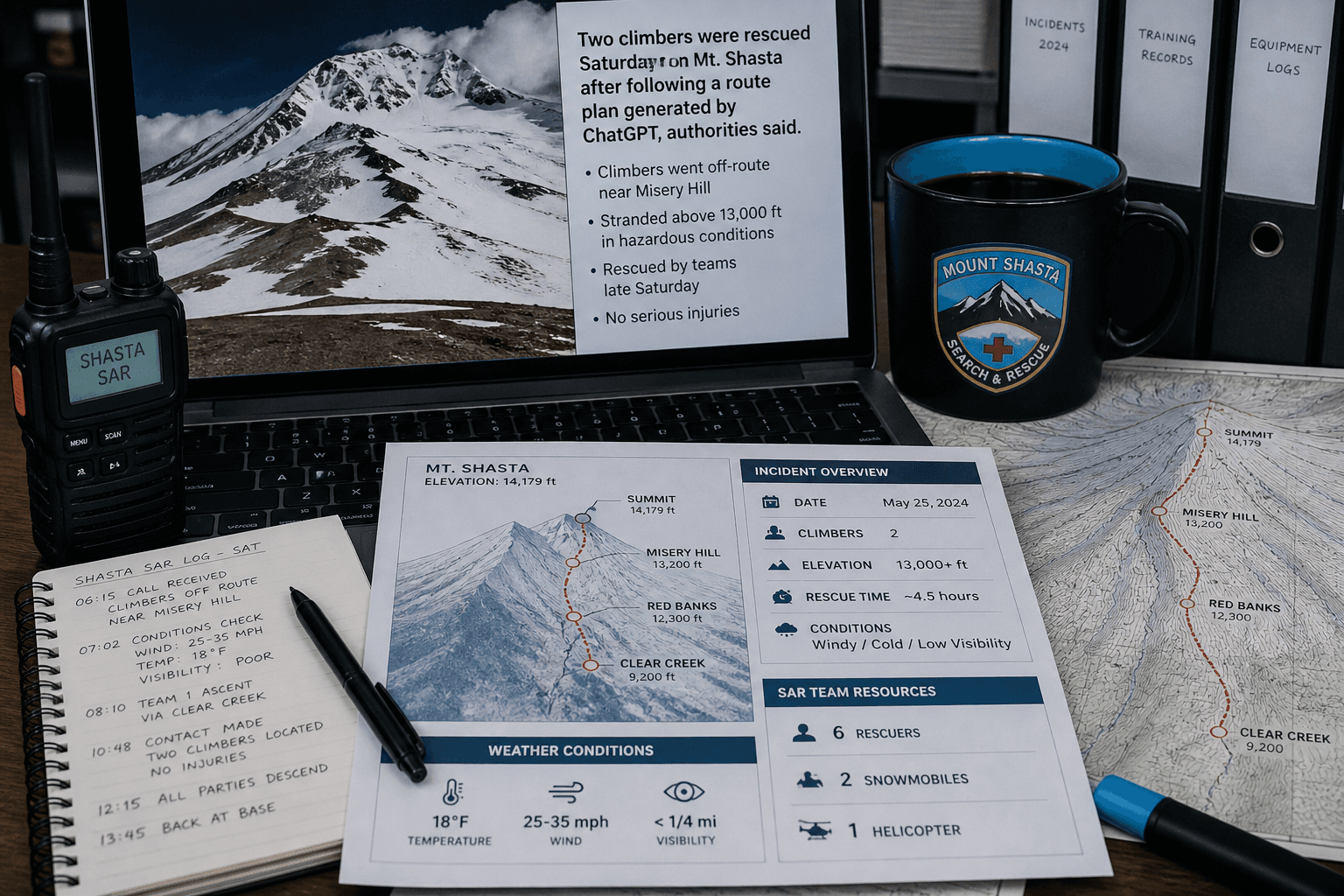
Three climbers needed rescue on Mount Shasta after following an AI chatbot's route plan — and the community reads this as a sharp warning, not a tech win. The group used ChatGPT to prepare for the climb, and the suggested route put them in trouble on the mountain, according to the San Francisco Chronicle. That's the story dominating AI chatter today: real-world stakes, no benchmark involved.
Why is everyone talking about this?
The incident hits a nerve because it pairs two things people care about: AI confidence and physical safety. The climbers treated the chatbot as a guidebook, not a starting point. This looks like a textbook case of automation bias — trusting a model's flat, confident answer over established route knowledge. Search interest is spiking because it's a concrete failure with a rescue, not another abstract debate about hallucination rates.
What does this mean for AI users?
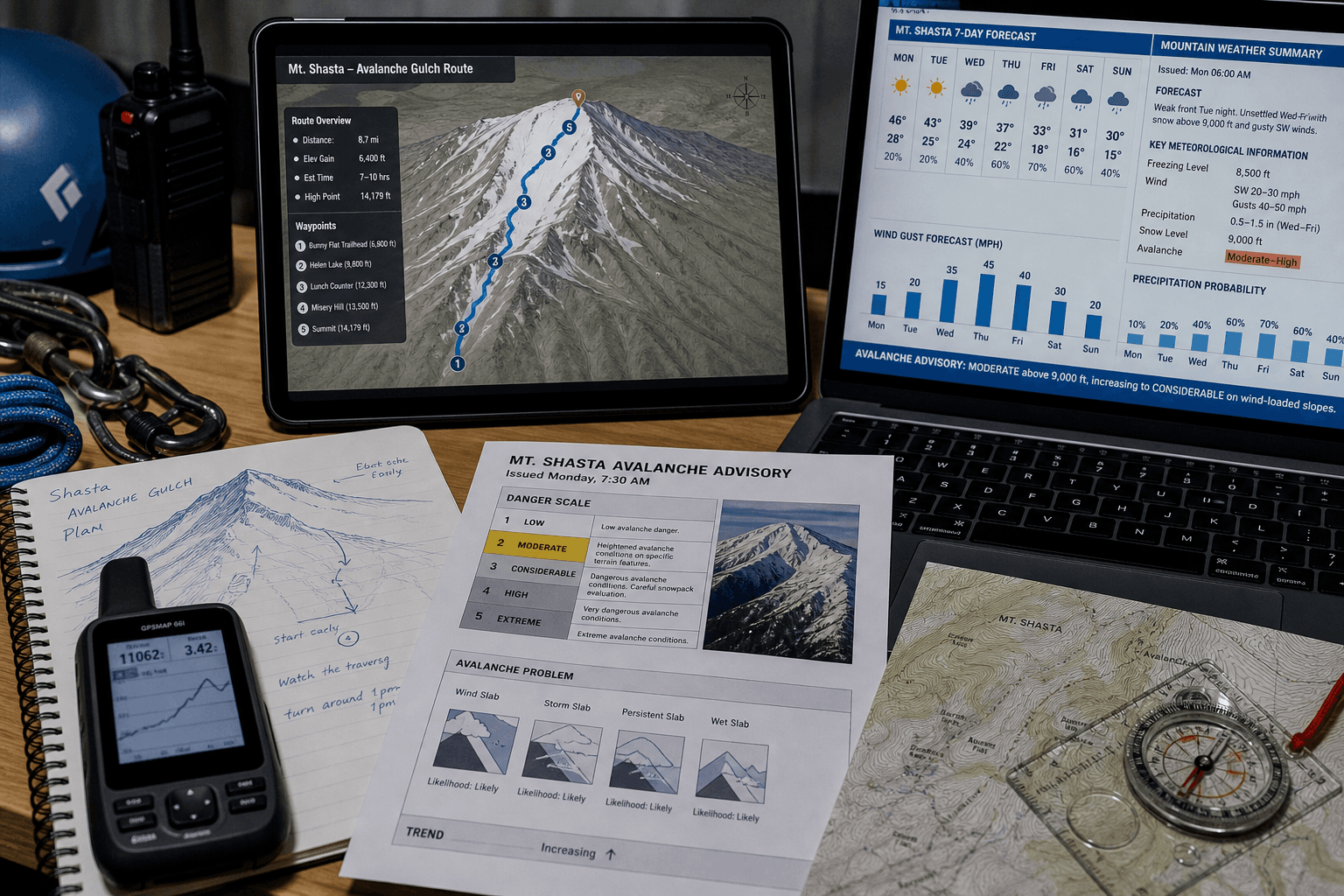
It means a model that writes a great essay can still give dangerous hiking advice. ChatGPT was never built as a wilderness navigation tool, and no disclaimer changes that. For anyone using AI for outdoor plans, the takeaway is simple: treat it like a weather app, not a ranger. Check official conditions, talk to locals, and assume the model is guessing.
What did the rescue actually involve?
Details from the Chronicle are thin, but Shasta's terrain is unforgiving — steep snow, changing weather, limited cell coverage. The climbers were brought out safely. The broader signal is that AI tools are now part of outdoor decision-making whether companies like it or not. That's a liability question waiting to be answered.