Copyright Courts vs. Model Groupies: Two AI Arguments That Need to Stop


Don't Let Courts Pick the Winner of the AI Copyright Casino
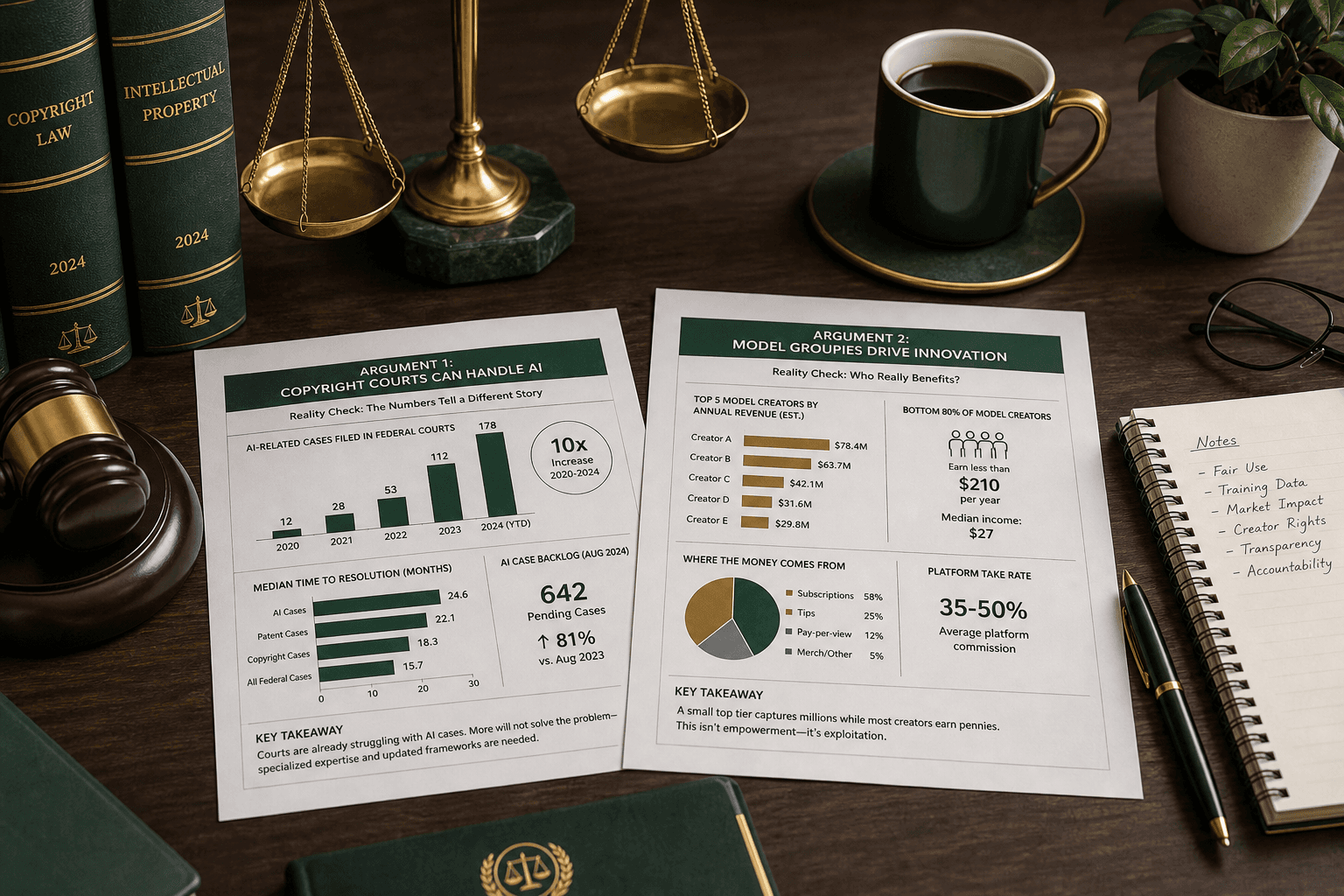
The EFF is telling judges to chill. Their message: don't rewrite copyright law just because AI makes you nervous. You've got publishers screaming "theft!" and AI labs screaming "innovation!" — and the judiciary is sitting there with a gavel, about to play legislature. The EFF's point isn't that training on copyrighted work is innocent. It's that judges shouldn't invent a new legal regime on the fly, because hype is a terrible lawmaker. If courts cave to the panic, every scrap of code, every blog post, every angry tweet becomes a potential lawsuit minefield. The real losers? The small open-source devs who can't afford a legal defense fund. The winners? Big worries, but no actual solutions.
Stop Marrying Your Product to the Model of the Week
Gary Bake has a hot take: if your AI product's entire value is "we use the latest model," then your product is a weather report, not a business. The debate is dividing the indie hacker crowd. One camp says ship fast, plug in the most powerful model today, and worry about tomorrow when it's today. The other camp, Bake's camp, says if you build your whole stack around one model's quirks, you're one model update away from obsolescence. The stakes are real: startups are burning massive API bills and waking up to find their "moat" is just a thin wrapper around someone else's brain. Who wins? The product architects who design for flexibility and treat models as interchangeable engines, not gods. Who loses? The people who built a whole demo around one model's specific personality — and get ghosted when the newer model behaves differently.

That's the two-front war this week: courts shouldn't legislate from the bench, and startups shouldn't worship a model that'll be a footnote in six months.