DeepSeek Is Either a Thief or a Scapegoat, and the $300-a-Day Agent Is a Bad Joke

The DeepSeek Witch Hunt Has Officially Left the Lab
If you wanted Cold War energy in AI, you got it. U.S. officials — including Commerce Secretary nominee Howard Lutnick — are accusing DeepSeek of IP theft. Microsoft and OpenAI are sniffing around for unauthorized data access through OpenAI's API. The Navy banned the thing. Italy gave DeepSeek 20 days to explain its data practices. That's not a product launch; that's an indictment before a trial.
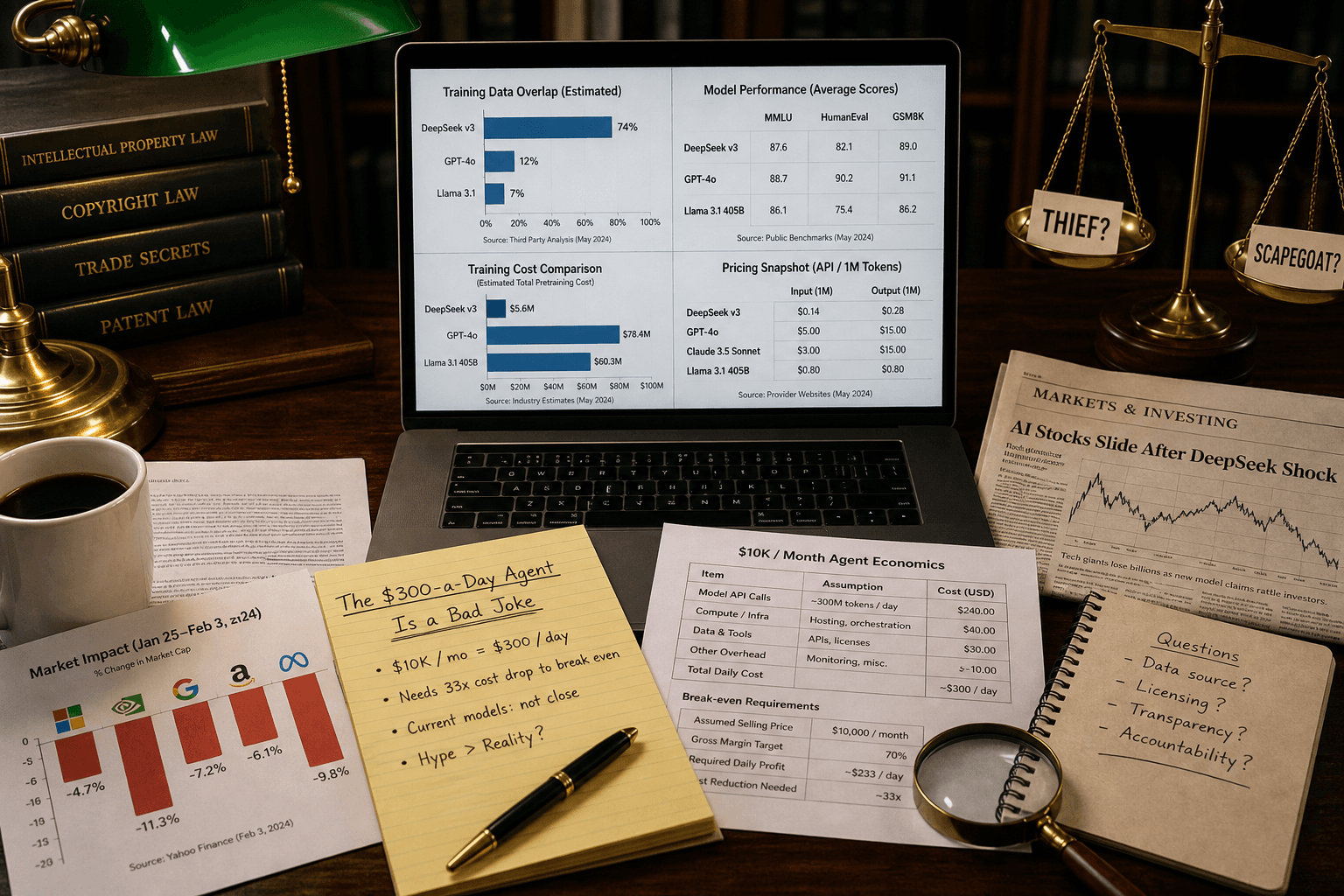
But here's the fight that actually matters: is DeepSeek a criminal enterprise or just China's scapegoat? Perplexity CEO Aravind Srinivas says DeepSeek's success came from clever reinforcement learning, not imitation. Critics like Edward Zitron counter that the whole brouhaha exposes America's own competitiveness panic. The hawks see stolen secrets. The contrarians see a startup getting railroaded because it made bigger labs look slow. Either way, OpenAI and Microsoft win — they get to play victim while regulators do their dirty work. And every open-source model just became slightly more radioactive. The truth may stay buried under subpoenas.
The $300-a-Day Agent Is a Payroll Emergency
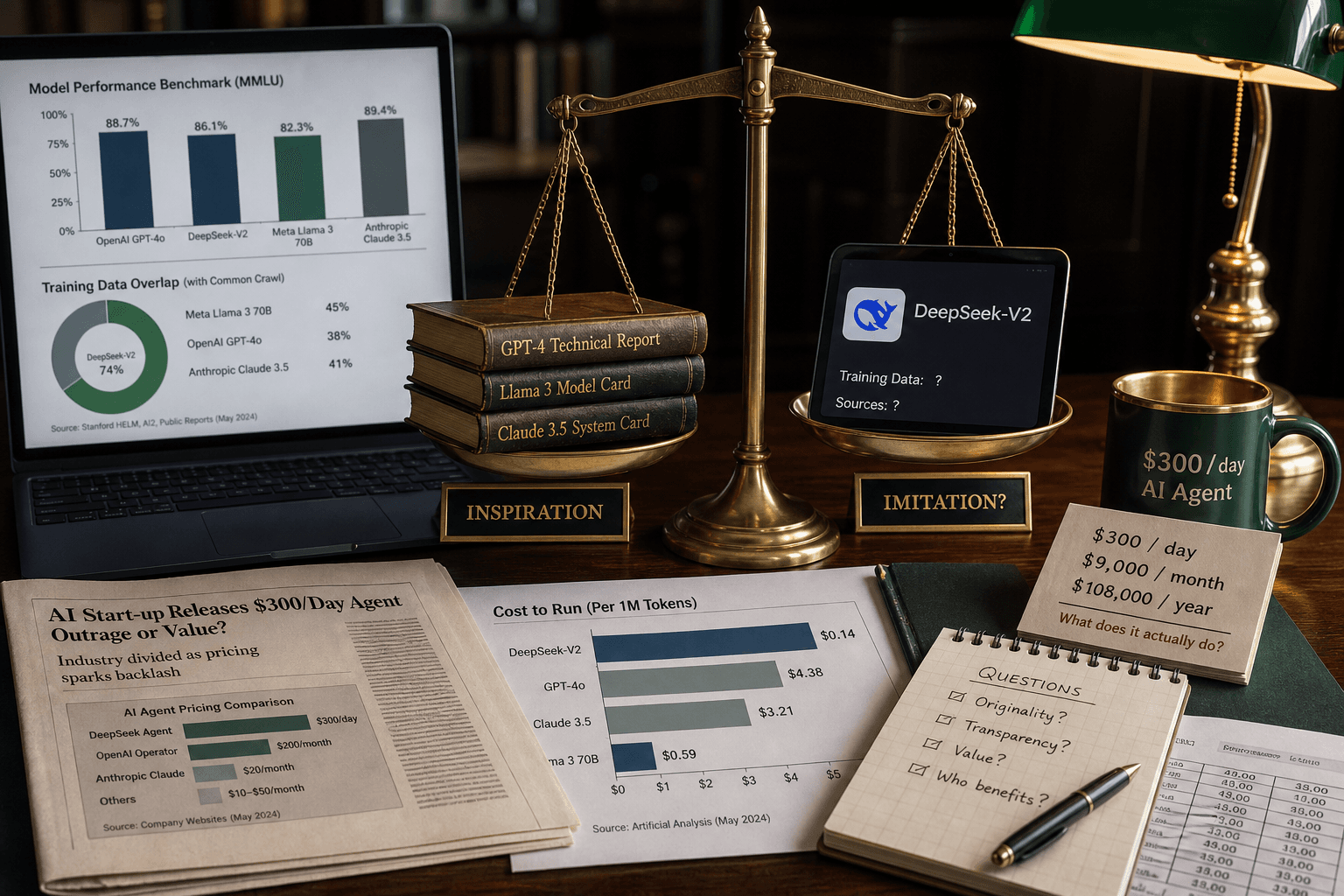
Now the other story the industry wants to bury: AI agents are a money pit. Jason Calacanis says he's paying $300 per day for one Anthropic Claude agent. That's more than a lot of human take-home pay. Chamath Palihapitiya argues agents need to be at least twice as productive as humans just to justify the bill. Mark Cuban's rough math is worse: eight Claude agents doing one employee's job would run about $1,200 a day.
So who wins? AI labs collecting token fees. Who loses? Every startup that bought the demo, not the deployment. And the employee? Turns out being replaced by software that costs more than you is almost insulting. The cheerleaders will say prices will drop. They will. But right now, the most disruptive thing in AI isn't the code — it's the invoice.