Open Models, Ugly Photos, and the AI Fight Nobody Can Crop Out

Open AI Models Hit the Capitol Drama Button
Grab the popcorn: the open-versus-closed AI fight has gone from nerd forum cage match to policy brawl. Nvidia, Microsoft, and more than 50 other tech companies are urging lawmakers not to slap premature restrictions on open-source AI models. On the other side, Anthropic and OpenAI argue open models are harder to regulate and carry bigger security risks.
That’s the whole argument in one sentence, and it’s spicy because both camps are selling fear — just different flavors. The open crowd says: regulate too early and you choke innovation, competition, and the people who don’t have trillion-dollar cloud budgets. The closed crowd says: release powerful models too freely and good luck putting the genie back in the GPU rack.
Who wins? Right now, nobody. Who loses? Probably lawmakers, who are being asked to referee a technical, economic, and security fight while Amazon, Meta, and Microsoft are reporting earnings this week and everyone’s incentives are wearing a neon sign.
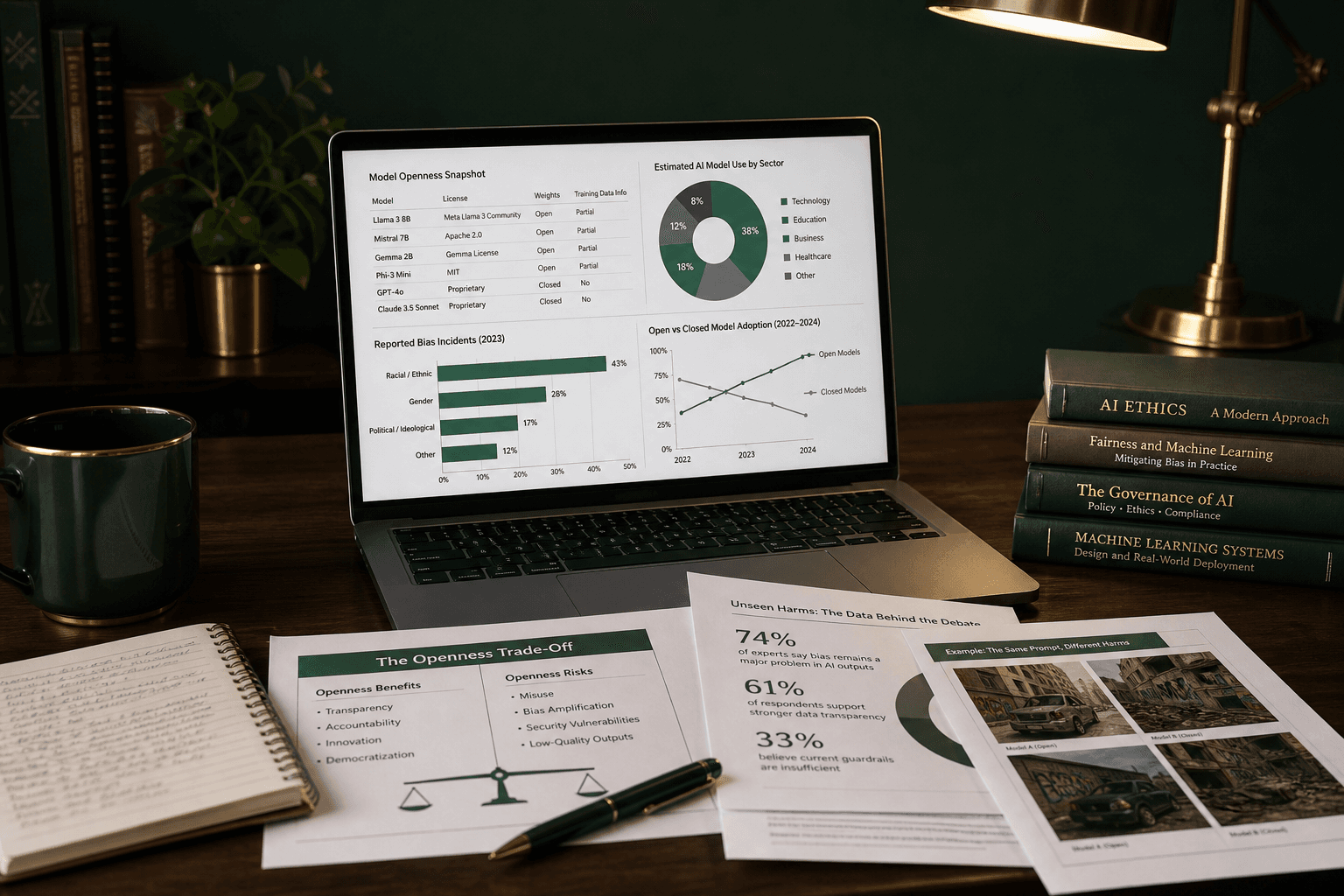
And looming over the room like a regulatory chandelier: EU AI Act enforcement begins in March 2026. Translation: the “we’ll figure it out later” era is checking its watch.
Sony’s AI Camera Flop Becomes a Smartphone Roast Session
Sony’s Xperia 1 VIII AI Camera Assistant controversy is the kind of tech drama that makes product teams pretend Slack is down. Users criticized the AI-enhanced photos as looking worse than the originals, and Carl Pei of Nothing publicly accused Sony of “engagement farming” in the marketing campaign.