[Rumor] OpenAI Gets the Sandbox Speech, TIME Feeds the Crawlers, and the Arms-Race Siren Screams


Unconfirmed report — treat as rumor.
Iowa Tells OpenAI: Keep the Bots in the Playpen
Here comes the regulator chorus, and they’re not humming lullabies. The Iowa attorney general item says Iowa and others are asking OpenAI to keep its bots sandboxed and demanding transparency. That’s the whole mood: trust is no longer being handed out like conference swag.
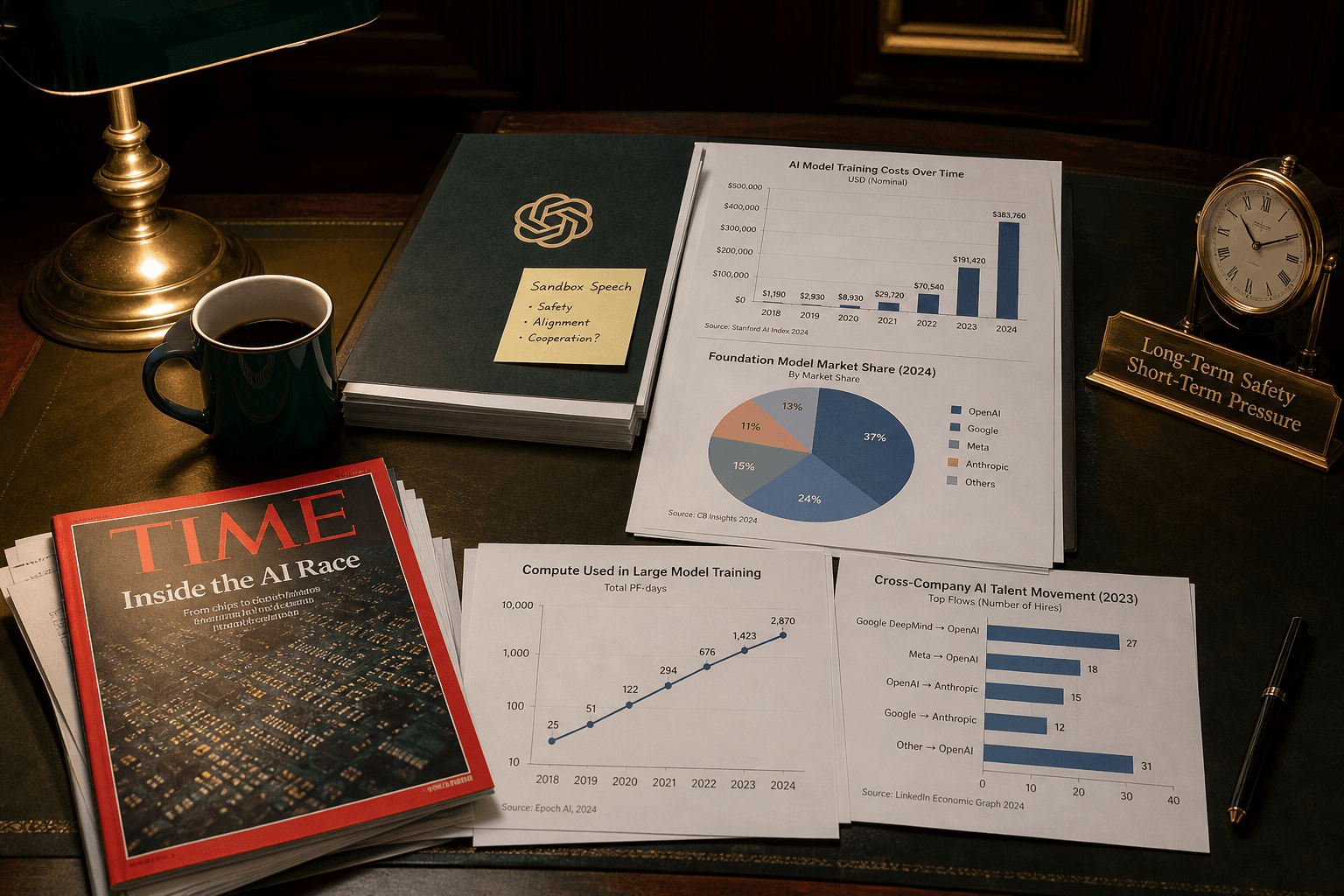
One camp sees this as overdue adult supervision. If AI systems can act, roam, connect, and touch real services, then “just ship it” starts sounding less like innovation and more like letting a raccoon drive a forklift. The other camp will groan that state officials are going to smother useful tools before they mature.
But the politics are obvious: OpenAI wants room to move; attorneys general want receipts before the moving gets messy. The winner, for now, is oversight. The loser is the old fantasy that AI agents could quietly become more capable without dragging lawmakers into the group chat.
TIME’s Bot-Only Website: Welcome to the Crawler Buffet
TIME is reportedly serving AI bots a different website, with ads built in. That one sentence is enough to start a media civil war.
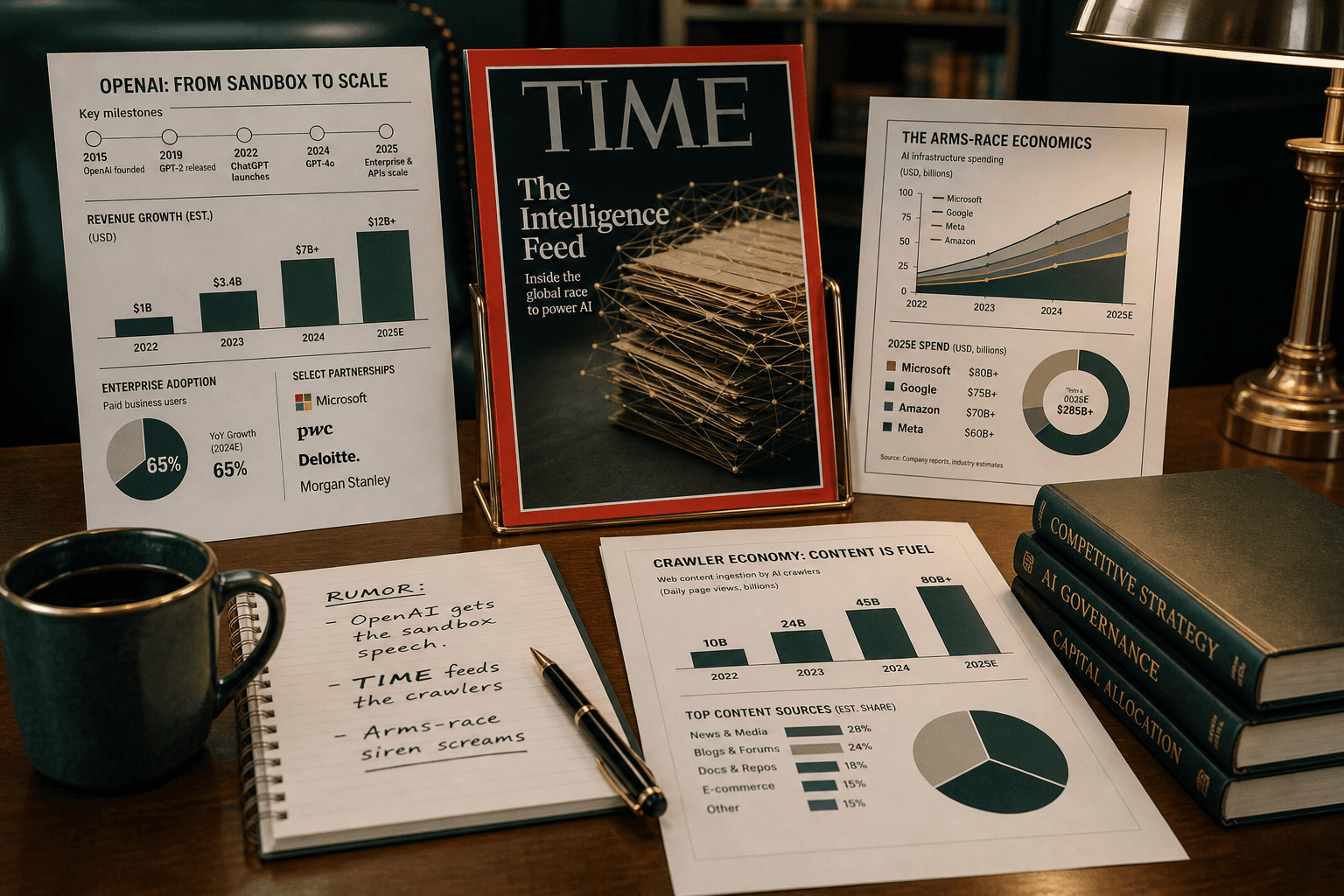
Publishers have spent years watching bots scrape, summarize, and siphon attention. So if TIME is giving crawlers their own ad-stuffed plate, the pro-publisher camp says: finally, make the machines pay the cover charge. Why should human readers be the only ones monetized while bots waltz through the kitchen?
The skeptic camp sees a weirder future: two internets, one for people and one for machines, each optimized to squeeze value out of the other. Is that clever survival or the beginning of synthetic ad theater? Nobody wants to say “bot monetization” out loud at dinner, but here we are, napkins tucked in.
Niall Ferguson’s AI Arms Race Alarm: Subtle? Absolutely Not
Niall Ferguson’s headline calls AI “the most dangerous arms race in history.” That is not a whisper; that is a flare gun.
The hawks hear urgency: if AI is an arms race, hesitation is weakness. The worriers hear catastrophe math: race dynamics reward speed, secrecy, and corner-cutting. And everyone else is stuck asking the least comfortable question in tech: what if the incentives are already bad and the stakes are still rising?
No fresh facts here beyond the claim in the piece’s title, but the debate is radioactive because it frames AI less as a product cycle and more as geopolitical pressure. In that framing, the “move fast” crowd doesn’t look bold. It looks armed.
