Prizes, Proof, and the AI Trust Circus

The Short Story Prize Just Became a Trial by Fire
Cue the literary thunderclap: the 2026 Commonwealth Short Story prize is now the latest arena where AI stops being a tool and starts being an accusation. The winner was found to have used AI heavily, and authors and publishers are now arguing over the integrity of the award.
And honestly? This is the mess everyone pretended would stay theoretical. One camp says: if a prize is built to honor human craft, heavy AI use changes the deal. The other camp asks: where’s the line — spellcheck, brainstorming, rewriting, co-authoring with the machine in the passenger seat wearing sunglasses?
The real fight isn’t “AI bad” versus “AI good.” Too cute. It’s disclosure versus ambiguity. If the rules don’t say what counts, then every winner becomes a suspect and every loser gets a conspiracy board. That’s not innovation; that’s a fog machine at an awards ceremony.
The 98% AI Thesis Flag Is a Five-Alarm Credibility Problem
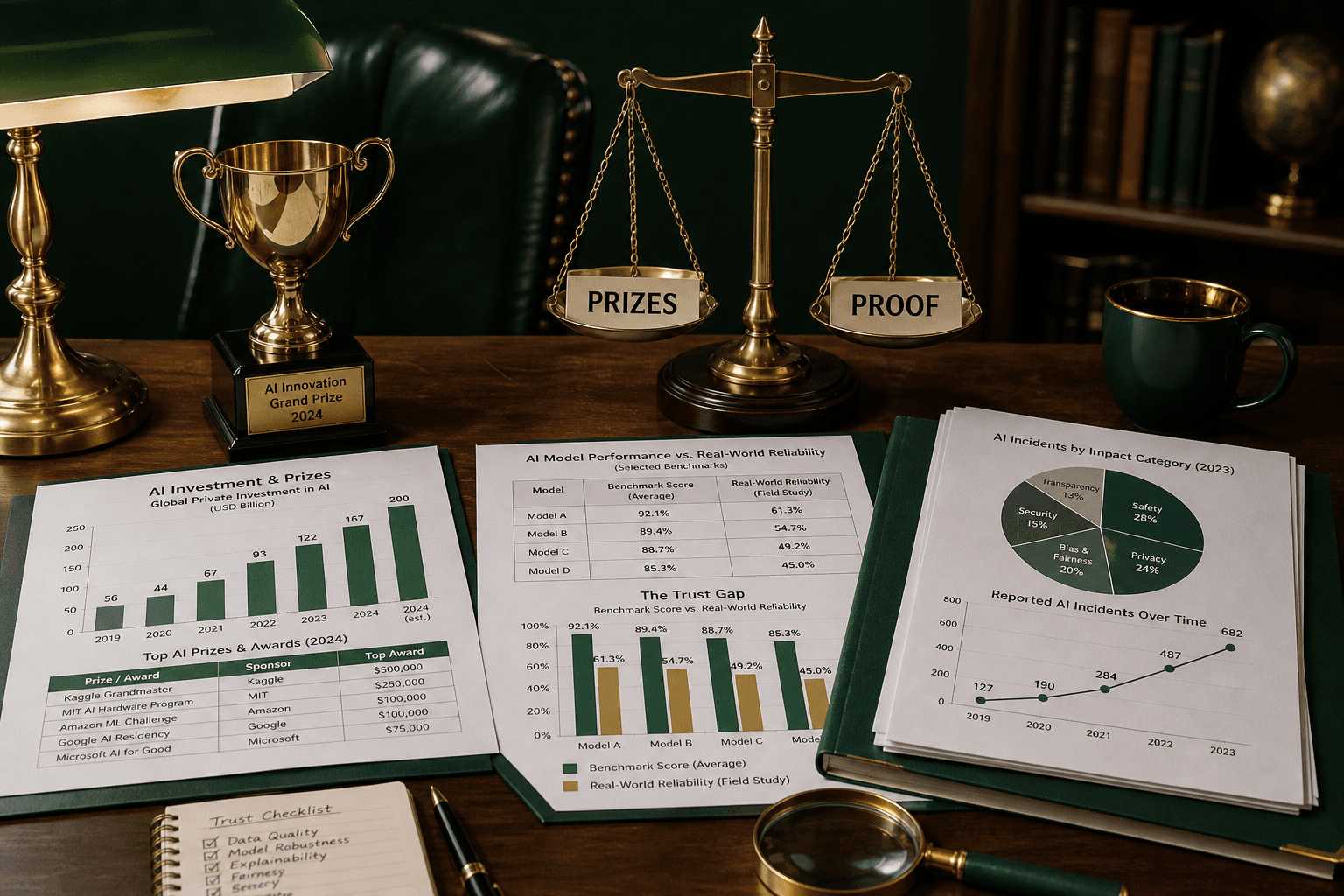
Meanwhile, in New York, a university student challenged AI detection systems after his thesis was flagged as “98% AI-generated.” And there it is: the academic panic button with a loose wire.
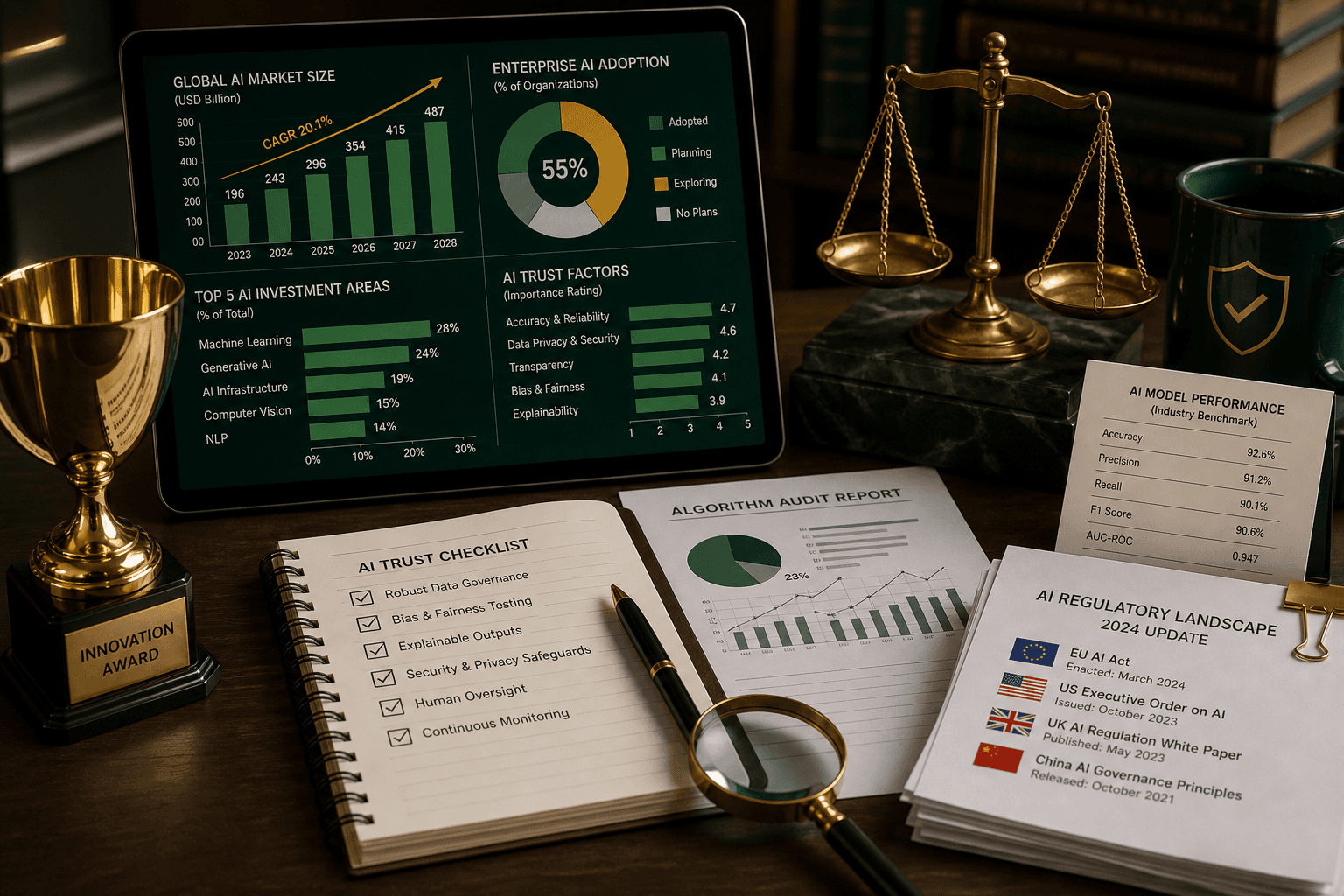
The debate now is brutal. Schools want a way to police AI use. Students want proof that isn’t basically a vibes detector in a lab coat. If a tool can brand someone’s thesis as almost entirely machine-made, the stakes aren’t abstract. That’s reputation, graduation, future jobs — the whole fragile ladder.