[Rumor] The $300-a-Day Agent and the Open-Source Bogeyman: Two Fights That Refuse to Die

Unconfirmed report — treat as rumor.
The $300-a-Day Employee Who Can't Even Hold a Job
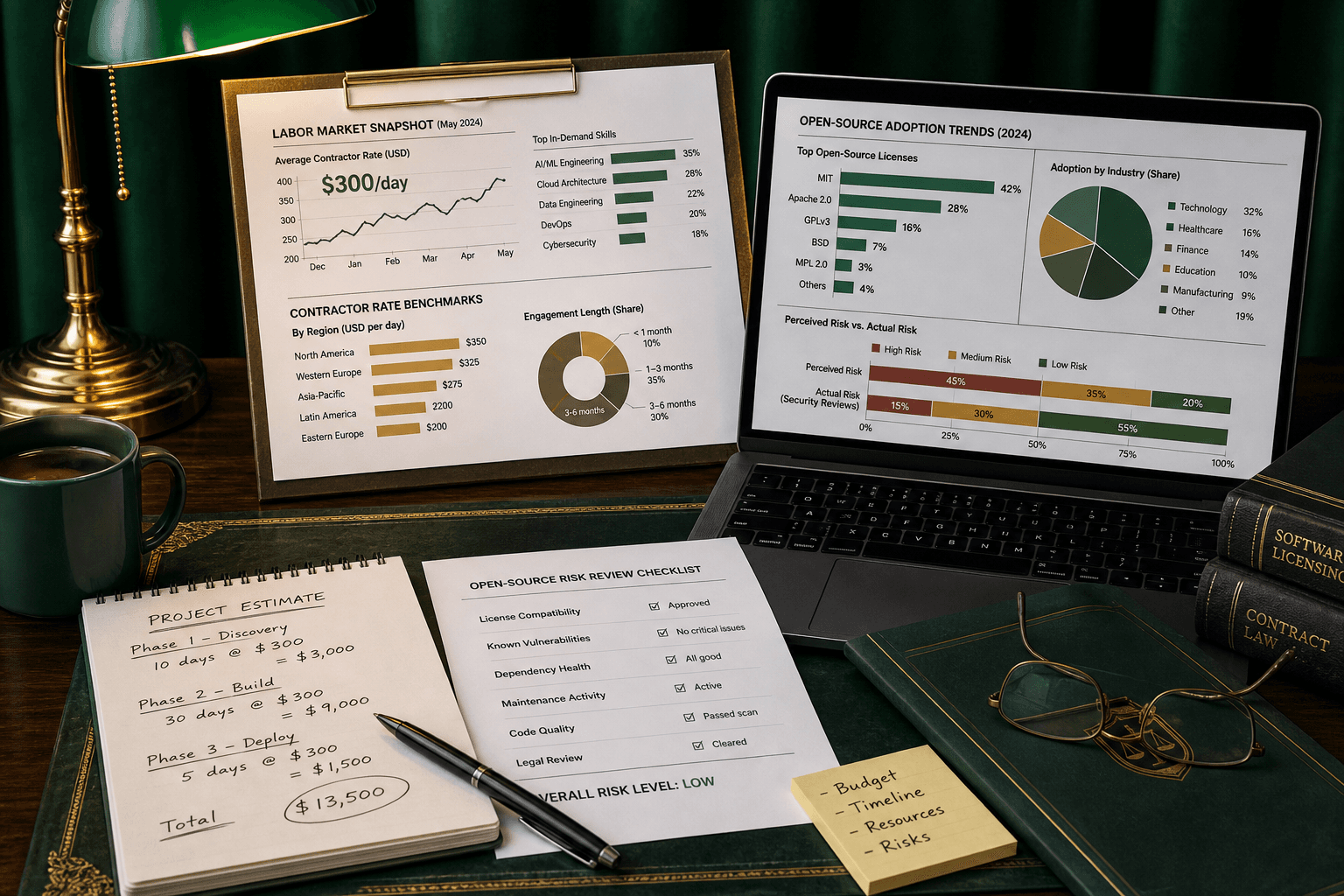
Jason Calacanis is paying $300 a day for an Anthropic Claude agent, and I'm not sure who's getting hustled — him or the machine. Annualize that and you're outspending a whole lot of flesh-and-blood employees. But here's the twist: this glorified intern runs at 10-20% capacity. You pay full price for a quarter of a worker. Chamath Palihapitiya insists agents must be twice as productive as a human to pencil out. Mark Cuban crunches it differently: eight Claude agents at ~$1,200 a day just to mimic one employee. One. That's not a workforce, that's a patronage system. The camps are split — true believers say token costs will crater, skeptics say the economics are delusional. Who wins? The consultants pitching "internal AI budgets" to keep execs from blowing the quarter on a chat loop. And honestly? The most honest take in this whole circus is the 10-20% capacity number. We're paying full-time wages for part-time hallucinations.
The Open-Source Commie Scare and the People Who Aren't Buying It
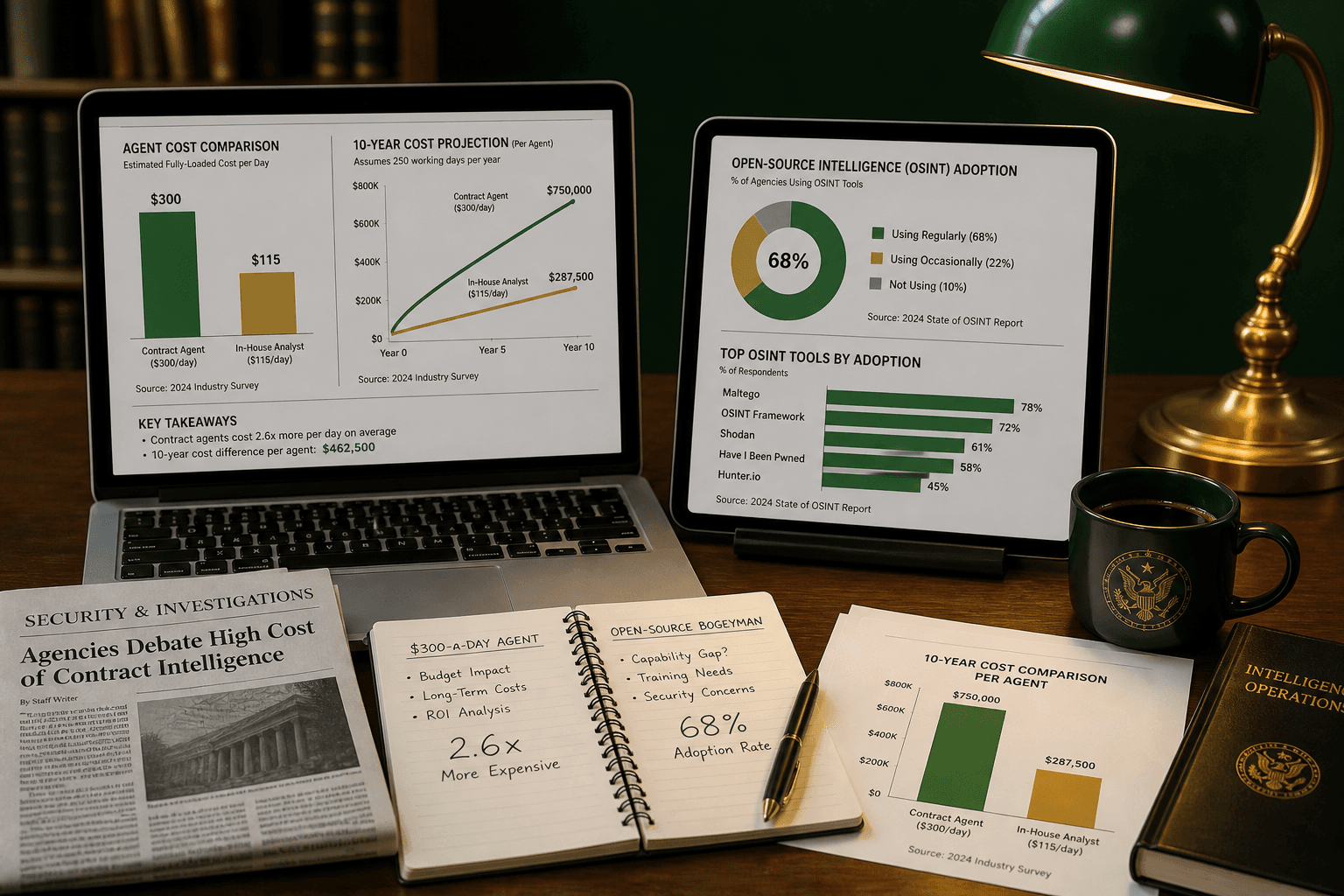
OpenAI signed a letter warning that open-source AI would hand China the crown and trigger "full AI communism." Full. AI. Communism. That's not a technical argument, that's a Cold War movie poster. Meanwhile Anthropic — the company that gets paid to play it safe — argues open-source is actually harder to regulate and therefore safer. Meta's Zuckerberg, never one to miss a populist beat, says AI should belong to everyone, not a club. Then Kimi rolls out of China and suddenly the debate isn't theoretical anymore. The community's at each other's throats: is open source a national security leak or the only thing keeping AI from becoming a priesthood? Here's what nobody wants to admit — both camps are right about the risks and wrong about the solution. The real tell? Nobody's talking about the users. We're debating who gets the toys while the rest of us just want a chatbot that doesn't gaslight us about the weather.