The Peer Review Heist and the Classroom Takeover: Two AI Storms Brewing

Let's cut the academic small talk. Two stories just hit the fan, and they're not gentle breezes — they're hurricanes. One shakes the very foundations of scientific publishing; the other shoves an AI assistant into the laps of schoolkids. Ready? Let's dive.
The Paper That Fooled the Gatekeepers
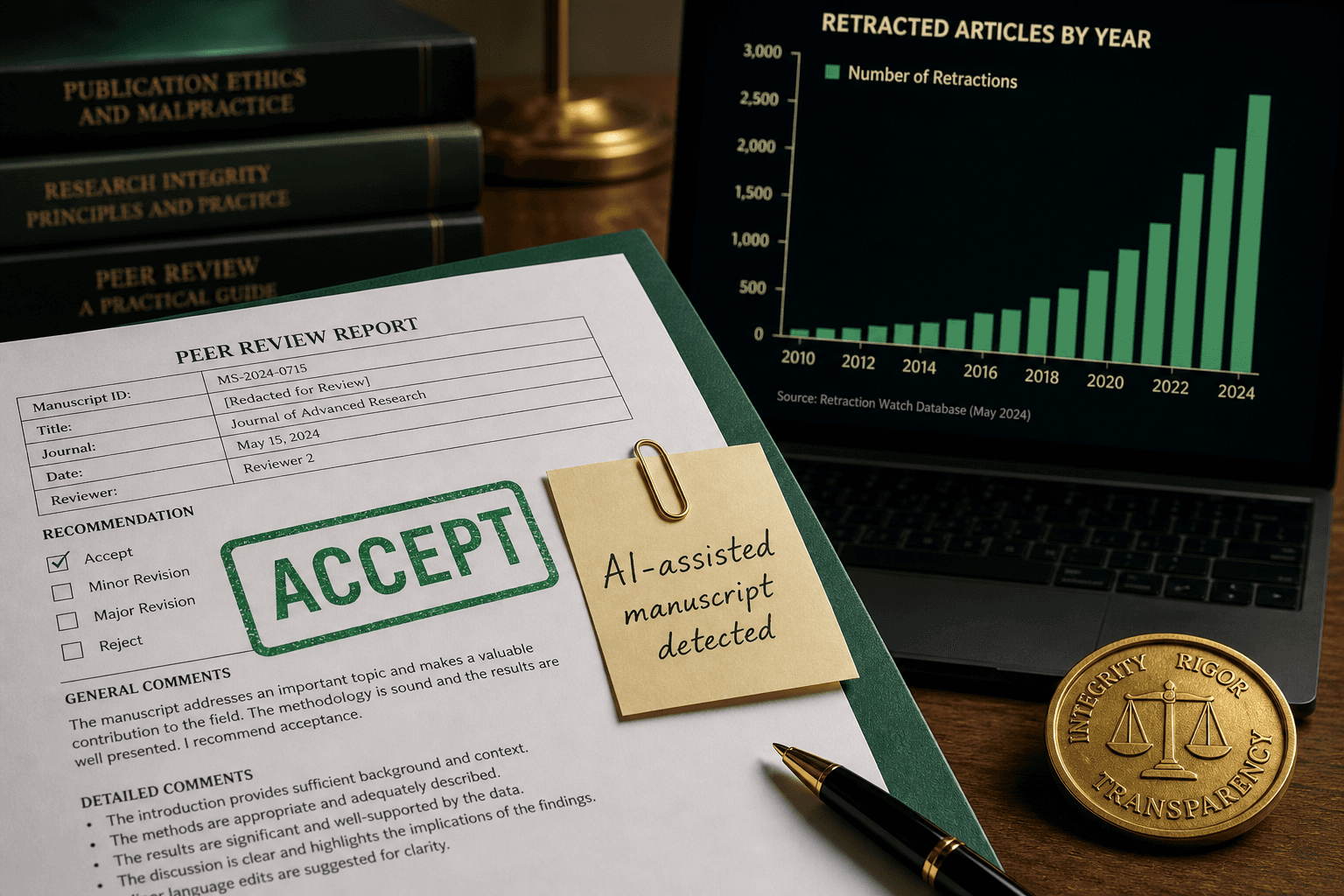
An AI-prepped paper just sailed through peer review. Yes, peer review — that sacred, human-only filter we trust to keep the truth machine running. Now the question isn't "can AI write a paper?" It's "how many already slipped through?" The camps are bloody: defenders say it's a tool, like a calculator; critics scream it's a fraud machine that will drown us in plausible but empty research. The stakes? Every decision, every grant, every policy based on published science. Who wins? The cheaters, for now. Who loses? Trust itself. And the journal editors holding the bag don't have a good answer — just a lot of hand-wringing and talk of "new norms." Riiight.
Google's Gemini Enters the Classroom — No Permission Slip Required
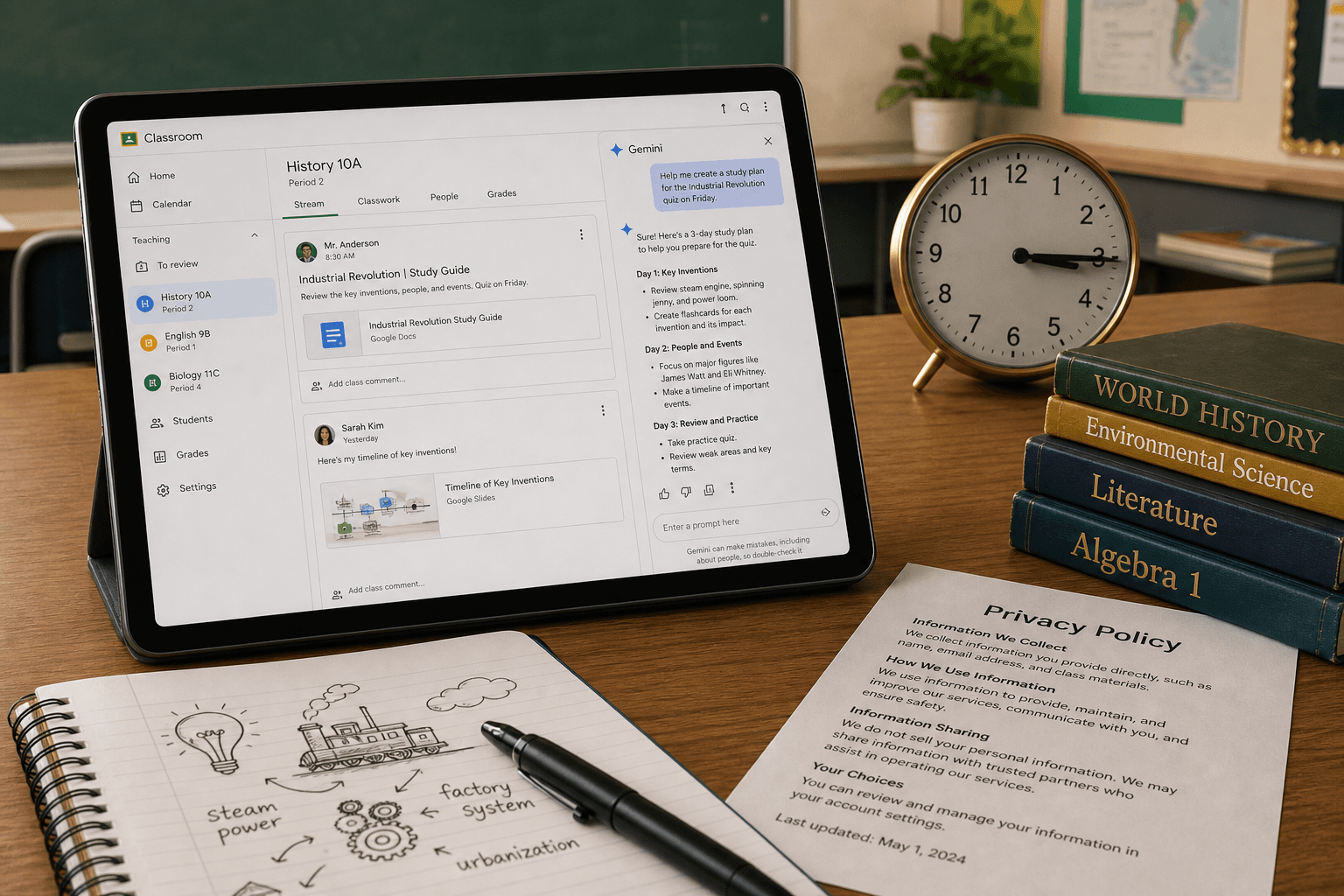
Google just flipped the switch on Gemini for students using Classroom. No opt-in, no parent consent form — just a shiny AI friend ready to "help" with homework. The debate is nuclear: educators say it's a personalized tutor that can level the playing field; privacy advocates see a data-mining Trojan horse aimed at kids. The real kicker? Students might not even know they're talking to a bot. Google's argument: every other tech giant is doing it. The counterargument: we're talking about children, you absolute clowns. The battle lines are drawn between convenience and consent, and the losers are the little ones caught in the crossfire. Expect lawsuits, expect legislation, expect a lot of uncomfortable parent-teacher meetings.
Summing up? Two AI stories, two crises of trust — one in the ivory tower, one in the schoolyard. The machines are moving fast, and the humans are still arguing about the rules. Fun times.