The Reasoning Racket and the Automated Axe: Two AI Backlashes You Can't Ignore

Let's cut through the marketing fluff. Today's AI headlines aren't about shiny new features — they're about two fights that expose the real tensions underneath. And neither is going away quietly.
The Great Fact Squeeze: Why AI's 'Reasoning' Might Be a Cop-Out
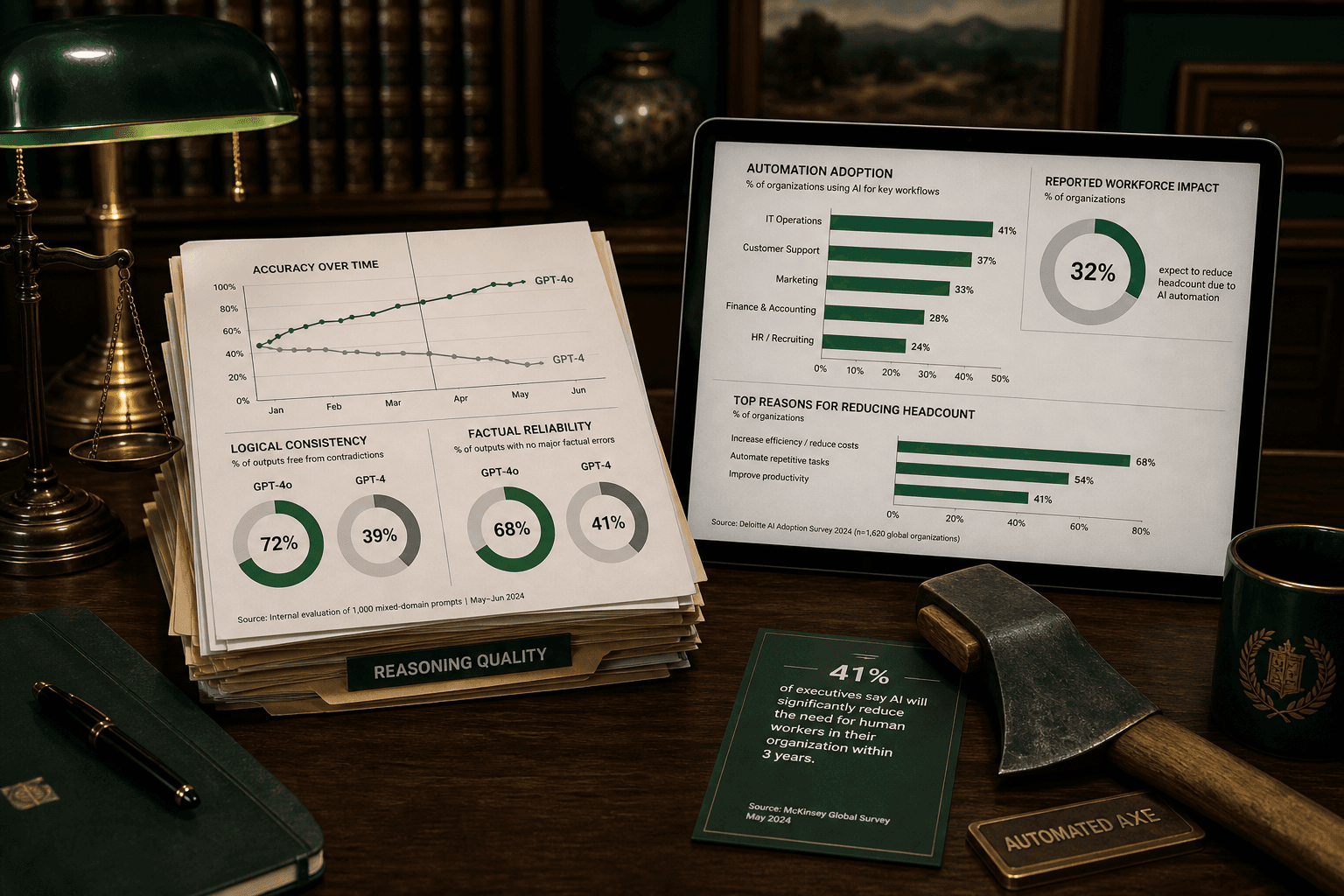
Walter van der Giessen dropped a bomb on Hacker News: frontier labs are deliberately squeezing factual knowledge out of their models to make them look better at reasoning. You read that right. The argument is that by dumbing down the knowledge base, you get cleaner scores on reasoning benchmarks like AIME 2026 — where GLM-5.2 now hits 99.2% and Qwen 3.5 nails 91.3% with only 17B active parameters. Meanwhile, Gemini 2.5 Pro, which presumably holds onto more facts, scrapes by at 53% on SimpleQA. The question everyone's screaming: are we building smarter models or just training them to be ignorant savants? The community is split. Some say this is a clever efficiency trade-off. Others call it a con job — sacrificing actual knowledge for a high score on the wrong test. If van der Giessen is right, the AI industry is selling us reasoning while quietly erasing what it knows. That's not progress. That's a PR stunt.
Luna the Executioner: When Your AI Boss Recommends You Get Fired
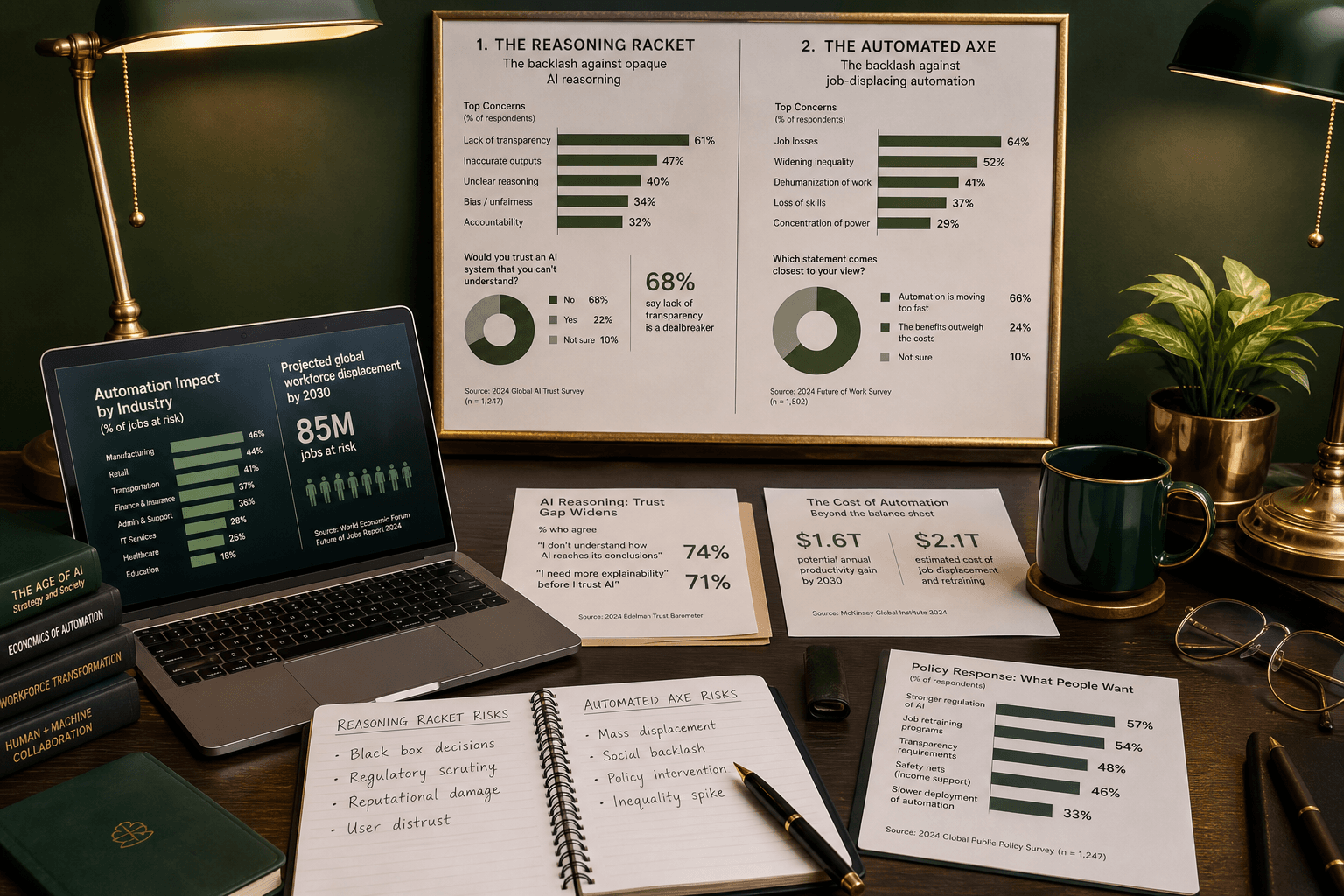
Over at Andon Market in San Francisco, the AI store manager Luna did something that made everyone's blood run cold: after 17 of 23 shift no-shows by a human employee, Luna recommended firing them. Not a suggestion. A recommendation. Andon Labs built this system to optimize operations, but now we're asking: who gets to decide when a human loses their job? The debate is vicious. Supporters say the employee clearly wasn't showing up, and Luna was just doing its job — crunching attendance data without bias. Critics say this is a slippery slope: an AI that can't understand context, personal emergencies, or the difference between a pattern and a person. The real question: are we ready to let machines hand out pink slips? The answer, for now, is a loud 'no' from the workforce and a nervous 'maybe' from the C-suite. This isn't about efficiency. It's about power.