Uber's Billion-Dollar Slap and the ECB's Bubble Blowback: Two Fights That Actually Matter Today

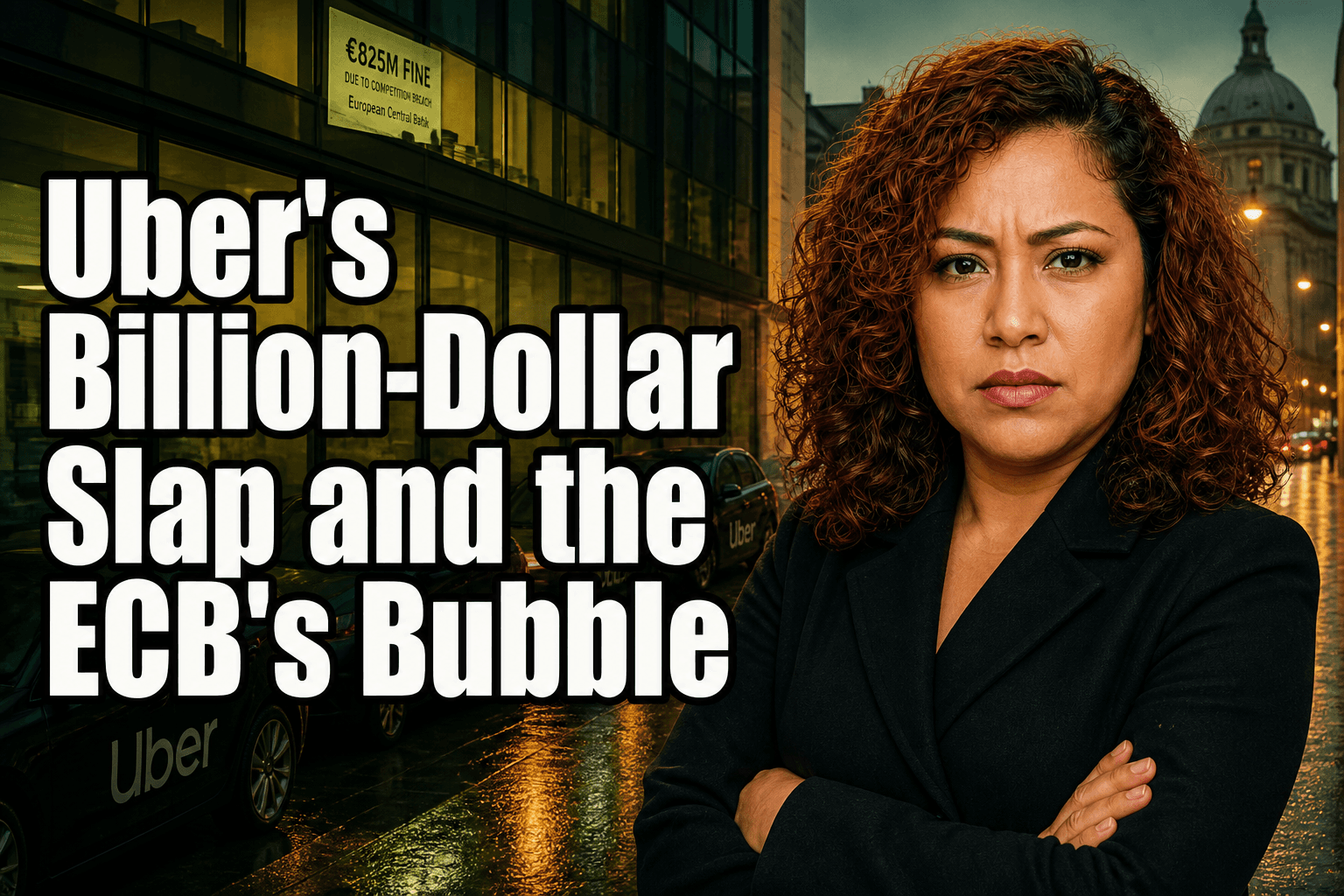
Uber Gets Fined €825M for Letting AI Play God — And Some People Are Cheering
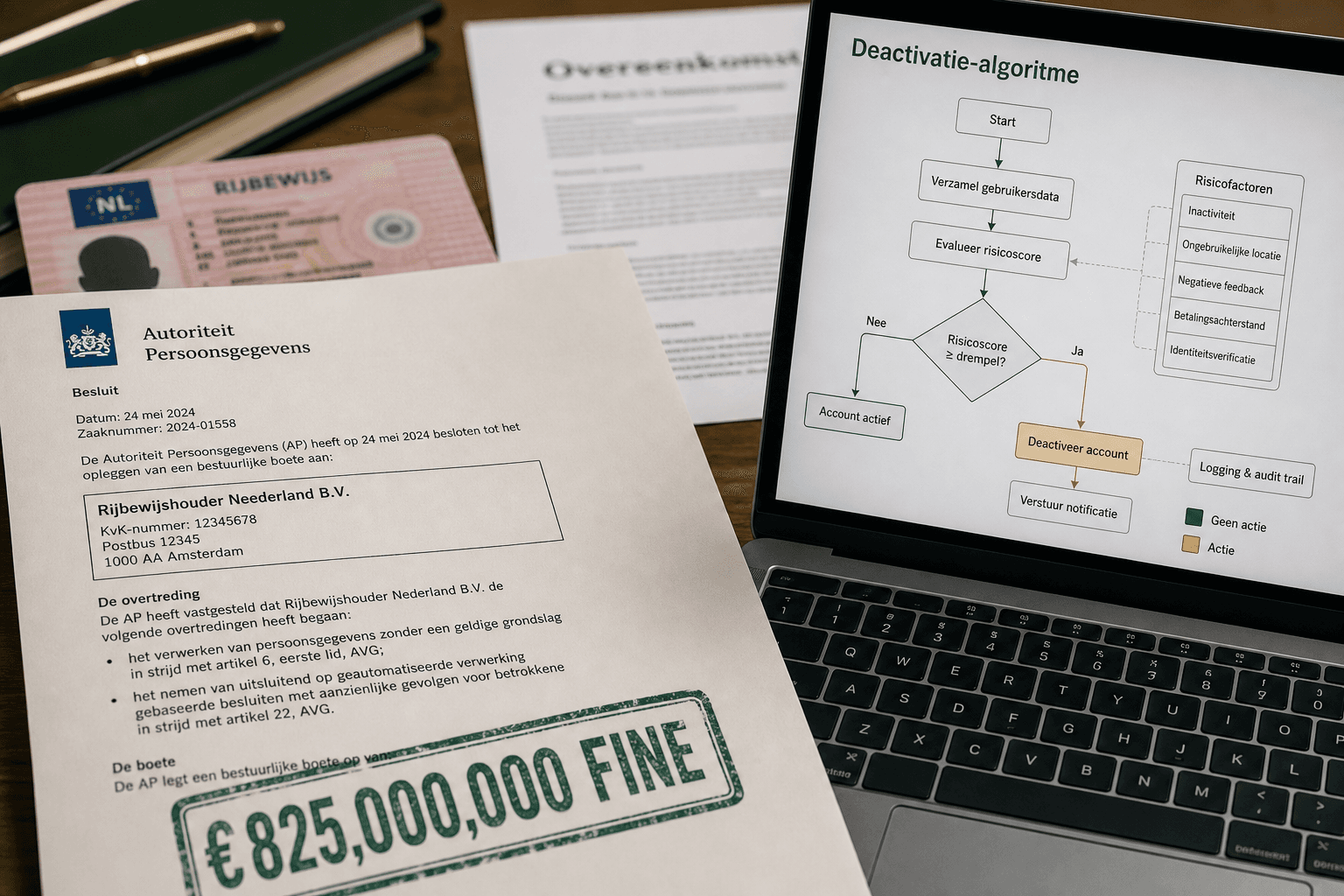
A Dutch regulator just slapped Uber with an €825 million fine for using an algorithm to deactivate driver accounts. That's not a parking ticket; that's a whole parking garage. The camps are already at each other's throats. On one side: drivers and labor advocates who say this is the first real proof that AI can't just fire people with zero human oversight. They're popping champagne, calling it a landmark win for the gig economy. On the other: tech apologists who argue the algorithm probably caught legitimate fraud or safety issues, and that this fine is just a European anti-innovation power trip. Winner? The lawyers. Loser? Anyone who thought AI would stay above the law. The real stakes here aren't Uber's wallet — it's whether every platform from DoorDash to Upwork now has to build a human-in-the-loop appeals process or face the same hammer. Ask yourself: if an algorithm silently deactivates you tomorrow, who do you scream at?
The ECB Says It's Not a Bubble — But Nobody Trusts the Bank That Cried 'Frothy'
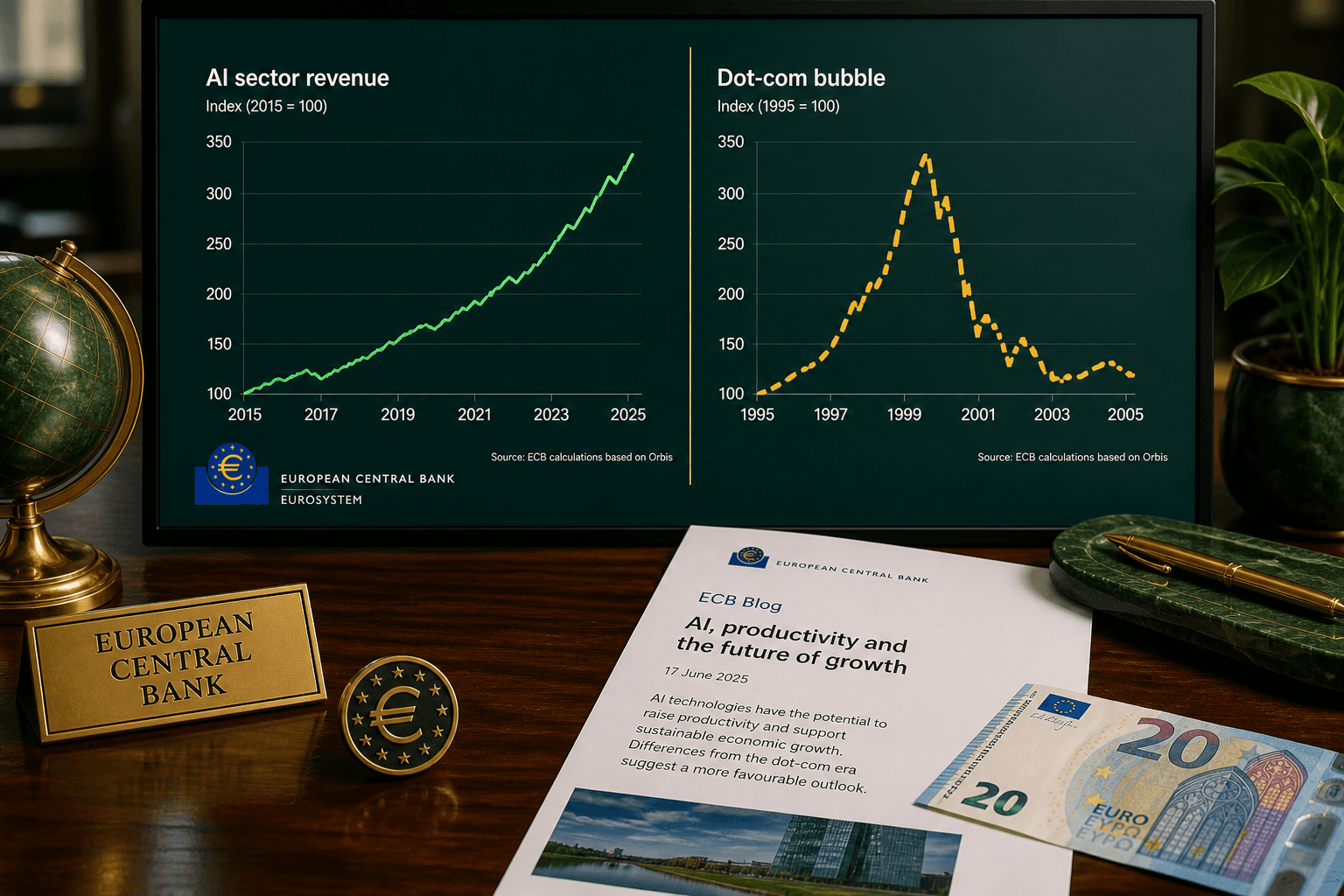
In one corner, the European Central Bank steps in with a blog post titled "The AI boom: rational enthusiasm or the next dot-com bubble?" And guess what? They land on rational enthusiasm. They say today's AI boom is built on real revenue and productivity, not just pet rocks with URLs. In the other corner, every skeptic who remembers 1999 is screaming that this is exactly what central bankers said right before the crash. The debate is brutal: bubble believers point to eye-watering valuations and sunk costs in data centers; bubble deniers point to actual adoption curves and earnings. The ECB is basically saying "we're not worried, but also let's be careful" — which is like a firefighter saying "no fire, but here's my hose." Who wins? If they're right, we all get richer. If they're wrong, we get a crater named AI. Either way, the punchline is that the people who printed the money are now the ones judging the party. That's not comforting; that's just the same soundtrack from the last crash.